U.S. Kindergarten Vaccination Rates Decline as Exemptions Reach Record High
By Renee Baptiste |
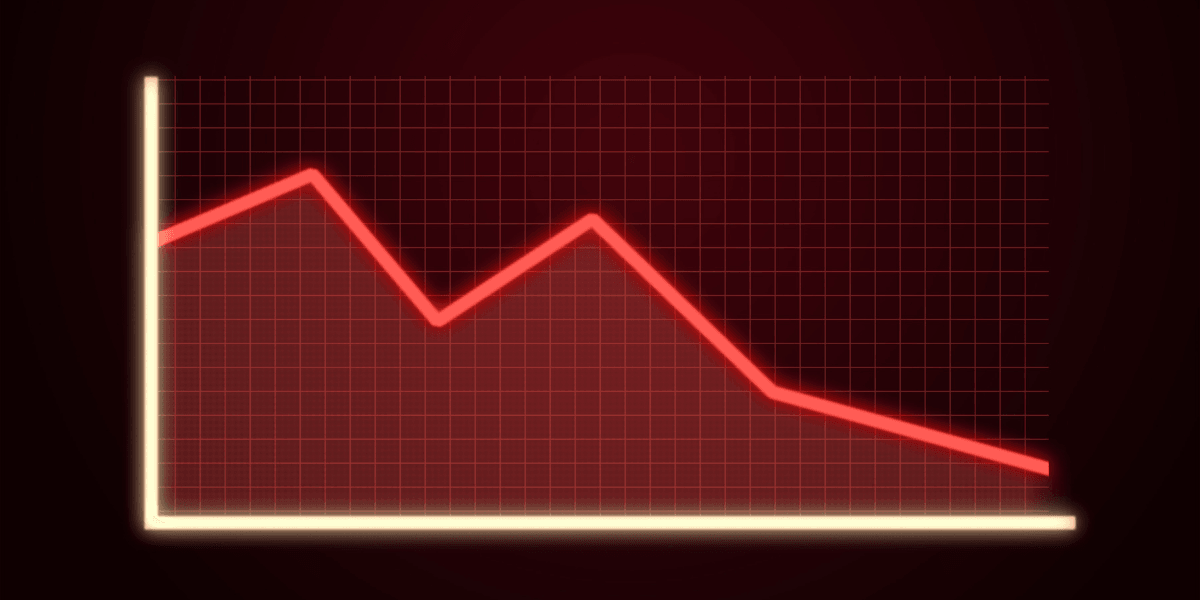
Vaccination coverage among U.S. kindergarten students has continued to decline, while the percentage of children receiving exemptions from one or more required vaccines has reached a new national high. The latest figures covering the 2025–2026 school year highlight an important public health trend as schools across the United States begin another academic year.
According to the latest national data, 4.2% of U.S. kindergartners had an exemption from at least one required vaccine during the 2025–2026 school year. That represents approximately 155,000 children nationwide. The figure is an increase from the previous school year, when the exemption rate was about 3.6%, representing roughly 138,000 kindergarten students.
The increase comes as overall vaccination coverage for several routinely required childhood vaccines continues to move lower. The trend has drawn attention because high vaccination coverage is important for limiting the spread of diseases that can be prevented through routine immunization.
Vaccination Coverage Continues to Decline
The latest figures show declines in coverage for several vaccines commonly required for school attendance. These include vaccines protecting against measles, mumps and rubella, polio, diphtheria, tetanus, pertussis and chickenpox.
The measles, mumps and rubella, or MMR, vaccine has been a particular focus because measles is highly contagious and can spread rapidly in communities where vaccination coverage is lower.
National kindergarten MMR coverage was approximately 92.5% during the 2024–2025 school year, compared with about 95.2% during the 2019–2020 school year. The decline represents a significant change over several school years and illustrates the broader downward movement in childhood vaccination coverage.
Vaccination rates, however, are not uniform across the country. Individual states, school districts and communities can have substantially different coverage levels depending on local circumstances and policies.
Exemptions Reach a New High
One of the most notable developments in the latest data is the increase in school vaccine exemptions.
During the 2025–2026 school year, the national exemption rate reached 4.2%. Exemptions increased in 41 states and the District of Columbia compared with the previous school year.
States have different rules governing school vaccination requirements and exemptions. Medical exemptions are permitted throughout the United States, while the availability of religious or philosophical exemptions varies according to state law.
The growing number of exemptions can influence overall vaccination coverage within schools and communities. When fewer students are vaccinated, communities can have smaller levels of protection against highly contagious diseases.
The trend is especially relevant for measles because maintaining high vaccination coverage helps reduce the likelihood that an imported case will result in sustained transmission.
Why the Trend Matters
Vaccination coverage is not simply a measure of individual health decisions. It can also affect the ability of communities to prevent outbreaks of infectious diseases.
Public health authorities commonly identify approximately 95% MMR coverage as an important benchmark for maintaining strong community protection against measles. The national kindergarten rate has remained below that level in recent years.
The national figures also demonstrate why local data are important. A national average can conceal substantial differences between states, counties, school districts and individual schools. Some communities may have vaccination rates considerably above the national average, while others may have lower coverage.
For schools, maintaining accurate immunization records is therefore an important part of preparing for the academic year. School administrators must also follow applicable state and local requirements concerning vaccinations and exemptions.
What Families Should Know
Families preparing children for school should review their state’s immunization requirements and make sure vaccination records are current. Requirements can differ depending on the child’s age, grade level and location.
Parents and guardians should also understand that school vaccination policies can change over time. Local health departments and school systems generally provide information about required documentation, deadlines and applicable exemptions.
Keeping records organized can help families avoid delays during enrollment and ensure schools have accurate information about students’ vaccination status.
The latest national figures also reinforce the importance of reliable public health information. Vaccination statistics are collected and reported to help officials identify changes in coverage and determine where additional attention may be needed.
Looking Ahead
The decline in kindergarten vaccination coverage has developed over several years rather than appearing as a single-year change. At the same time, the increase in exemptions represents another factor influencing national coverage levels.
As the 2026–2027 school year begins, health officials, educators and families will continue to watch these numbers closely. Future data will help determine whether the recent decline continues, stabilizes or begins to reverse.
For communities, the central takeaway is straightforward: maintaining accurate vaccination records and understanding school requirements remain important parts of preparing children for the school year.
The latest figures provide a clear snapshot of the current situation in the United States. With kindergarten vaccination coverage below levels recorded several years ago and exemptions reaching a record high, continued monitoring will be im

PrimeTime Press Contributor
Renee Baptiste
Covers health, technology, and entertainment, and how each shapes the way audiences live and spend their time.
This article features partner, contributor, or branded content from a third party. Members of the PrimeTime Press editorial staff were not involved in the creation of this content. All views and opinions are those of the contributor alone.