
NASA Unveils Major Plans For A Permanent Moon Base
By Renee Baptiste |
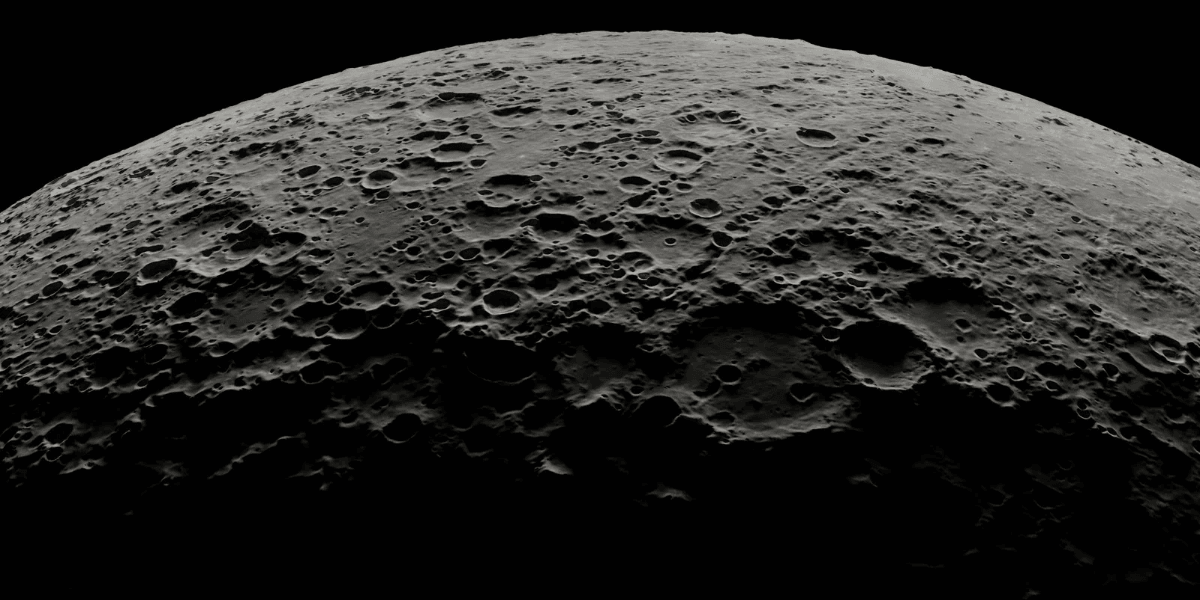
NASA announces major lunar exploration projects, including a nuclear powered rover, commercial cargo missions, and infrastructure for future astronauts.
A new chapter in American space exploration began on November 7, 2026, when NASA announced a series of major projects designed to support a lasting human presence on the Moon. During an aerospace event at Kennedy Space Center in Florida, the agency revealed plans for advanced robotic vehicles, commercial transportation services, and essential lunar infrastructure. The announcements represent a significant step toward building a permanent Moon base, where astronauts could eventually conduct scientific research and explore previously inaccessible regions of the lunar surface.
The initiatives include new commercial contracts, a nuclear powered exploration rover, robotic scouting drones, and technologies for delivering electricity and communications services. Together, these projects aim to address some of the greatest challenges of operating on the Moon, particularly near its South Pole, where extreme temperatures, difficult terrain, and limited sunlight create demanding conditions.
NASA Moon Base Plans Enter A New Phase
NASA presented the announcements during the MAX POWER aerospace expo and air show at Kennedy Space Center. The agency outlined a strategy that combines government research with commercial technology to establish the transportation and infrastructure needed for sustained lunar exploration.
A major component involves expanding the Commercial Lunar Payload Services initiative. NASA selected eight companies eligible to compete for future lunar delivery missions, including Blue Origin, Firefly Aerospace, Intuitive Machines, SpaceX, Lockheed Martin Space, Northrop Grumman Space Systems, iSpace US, and Voyager Technologies.
The new commercial delivery framework carries a combined maximum contract value of $10 billion over 10 years. However, this figure represents a contracting ceiling rather than money already spent or guaranteed to individual companies.
These services are intended to transport scientific instruments, technology demonstrations, and infrastructure equipment to the lunar surface before astronauts arrive.
Nuclear Powered Rover To Explore The Lunar South Pole
One of the most significant announcements involved PROMISE, a six wheeled nuclear powered rover designed to investigate the Moon's South Pole.
The rover, formally named Polar Rover for Observation, Mapping, and In Situ Exploration, will study surface conditions, underground materials, and potential resources that could support future lunar operations.
NASA's Jet Propulsion Laboratory in Southern California will manage the mission and build the rover using a combination of spare components and engineering test models developed for the Curiosity and Perseverance Mars rovers.
PROMISE will carry scientific instruments capable of examining lunar soil, measuring radiation, analyzing chemical composition, and investigating materials approximately three feet beneath the surface.
Its nuclear power system will allow operations during extended lunar nights and in permanently shadowed regions where sunlight is unavailable.
NASA is targeting late 2028 for launch, with an anticipated mission lasting 18 months.
Commercial Partnerships Expand Lunar Transportation
Building a functioning Moon base requires more than landing astronauts. Equipment, scientific instruments, communications systems, and other supplies must reach the lunar surface reliably.
To address these challenges, NASA announced six transportation task orders awarded to Arrow Science and Technology, Blue Origin, and Impulse Space.
The awards have a combined value of approximately $1.3 billion and will support missions involving launch services, orbital transportation, and technology demonstrations.
Some projects will test spacecraft navigation and communications between Earth and the Moon. Others will demonstrate how commercial transportation vehicles can move equipment through space before lunar landers complete the final delivery.
NASA also selected SpaceX for a communications demonstration involving satellites intended for deployment in the region between Earth and the Moon in 2028.
These efforts could help establish the transportation and communications networks required for more frequent lunar missions.
New Technology Could Support Life On The Moon
Reliable electricity and communications will be essential for any future lunar settlement.
NASA announced plans to develop a compact system called the Mini Communications and Solar Tower, or miniCAST. The technology will combine solar panels, energy storage, and wireless power transfer capabilities.
Companies selected for initial components include Honeybee Robotics, Redwire, and Yank Technologies.
Engineers at NASA's Marshall Space Flight Center in Alabama will assemble and test the equipment before its planned delivery to the Moon.
The agency also outlined plans for MoonFall robotic drones, which will survey difficult lunar terrain and investigate locations beyond the reach of conventional rovers.
These technologies are intended to help researchers understand potential landing sites, identify hazards, and prepare infrastructure for future astronauts.
Why NASA's Moon Base Announcement Matters
The November 7 announcement reflects a shift toward developing the Moon as a destination for sustained scientific activity rather than relying exclusively on short exploration missions.
By combining robotic research, commercial transportation, and infrastructure development, NASA aims to make future missions more capable and efficient.
The projects could also provide valuable engineering experience for longer human missions, including eventual exploration of Mars.
However, important milestones remain. The announced technologies must still undergo development, testing, transportation, and successful operation in the lunar environment.
For the public, the central takeaway is that NASA's vision of a permanent Moon base is advancing through specific projects and commercial agreements.
Although a functioning lunar settlement remains a future objective, the November 7 decisions establish important groundwork for the next generation of American space exploration.
Readers interested in following the program's development can explore mission updates and technical information through NASA's official website at NASA.gov.

PrimeTime Press Contributor
Renee Baptiste
Covers health, technology, and entertainment, and how each shapes the way audiences live and spend their time.
This article features partner, contributor, or branded content from a third party. Members of the PrimeTime Press editorial staff were not involved in the creation of this content. All views and opinions are those of the contributor alone.
Previous Post
NASA Completes Historic Space Station Solar Upgrade