
Advancing Healthcare in the United States: Breakthroughs in Treatment, Technology, and Recovery
By Renee Baptiste |
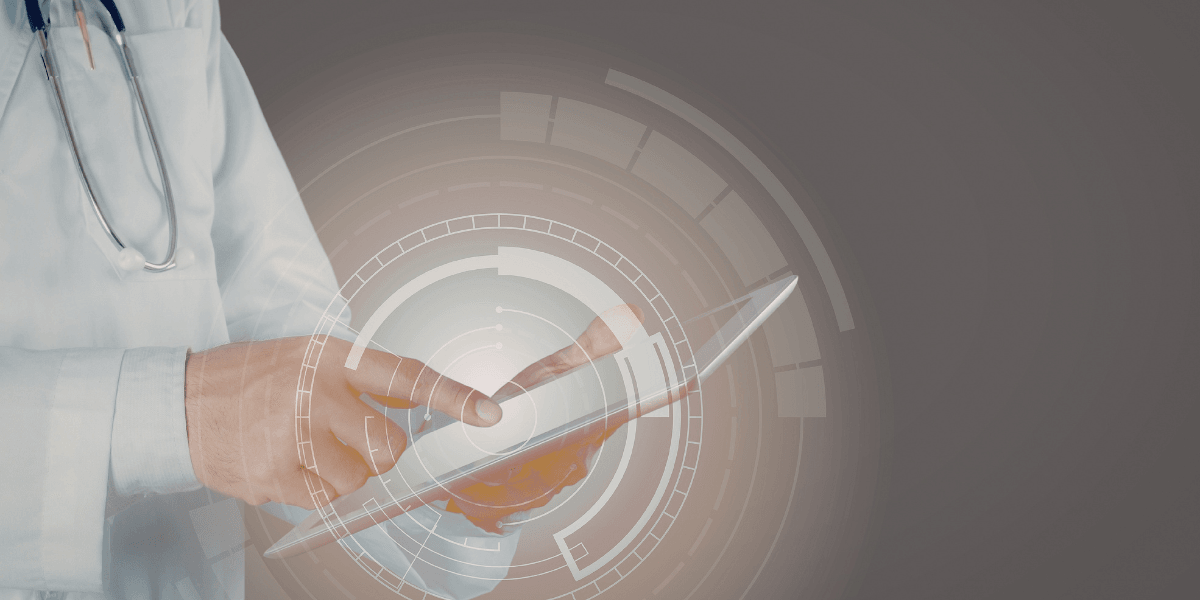
In the United States, health research and clinical innovation continue to show steady progress across multiple fields, offering optimism for patients and healthcare providers alike. From improved cancer therapies to advances in digital diagnostics and rehabilitation science, recent developments highlight a shift toward more personalized, precise, and less invasive medical care. While many of these innovations are still in clinical trials or early implementation stages, they collectively signal meaningful improvements in outcomes and quality of life. Researchers are increasingly focused on understanding disease at the molecular level and using technology to support earlier detection, better treatment decisions, and more effective recovery strategies.
Progress in Cancer Treatment and Early Detection
Cancer research in the United States is increasingly centered on precision medicine, which aims to tailor treatment to the genetic and biological characteristics of each patient’s disease. Rather than relying solely on traditional chemotherapy, clinicians are combining multiple treatment approaches to improve effectiveness and reduce side effects. Immunotherapy continues to stand out as one of the most impactful advances, helping the immune system recognize and attack cancer cells more effectively.
Targeted therapies are also expanding, especially for cancers driven by specific genetic mutations. These treatments focus on disrupting the internal mechanisms that allow tumors to grow. At the same time, researchers are improving understanding of the tumor microenvironment, which can protect cancer cells from treatment. By weakening this environment, combination therapies are showing improved response rates in early studies.
Another major development is the advancement of liquid biopsy technology. This approach allows clinicians to detect cancer-related genetic material through a blood sample, offering a less invasive method for early detection and ongoing monitoring. Together, these innovations are contributing to earlier diagnosis and more personalized treatment strategies.
Innovation in Women’s Health Research
Women’s health is also benefiting from new scientific tools designed to address long-standing gaps in medical research. One of the most promising developments is the use of “organ-on-a-chip” systems, which replicate human reproductive tissues in a controlled laboratory setting. These models allow researchers to study infections, hormonal activity, and microbiome interactions with greater accuracy than traditional testing methods.
This technology is particularly valuable for improving understanding of conditions such as endometriosis, bacterial infections, and other reproductive health disorders that have historically been difficult to study. By using human-cell-based systems, scientists can test treatments more effectively and reduce reliance on animal models.
In addition, non-invasive diagnostic tools are being developed to improve early detection of reproductive health issues. These advancements are helping improve treatment accuracy, reduce side effects, and support more individualized care approaches for women across different stages of life.
Artificial Intelligence in Medical Diagnostics
Artificial intelligence is becoming an increasingly important part of healthcare systems, particularly in diagnostic imaging and clinical decision support. AI-powered tools are now widely used to analyze medical scans such as X-rays, MRIs, and CT images, assisting healthcare professionals in identifying abnormalities more quickly and accurately.
These systems are designed to support, not replace, clinicians by reducing diagnostic workload and improving consistency in evaluations. Machine learning models are also being applied to predict patient risk factors, allowing for earlier intervention in conditions such as cardiovascular disease and diabetes.
Hospitals and research institutions continue to refine these systems to ensure safety, fairness, and reliability. As adoption increases, AI is expected to improve efficiency in healthcare delivery while expanding access to high-quality diagnostics, particularly in underserved communities.
Advances in Rehabilitation and Neurological Recovery
Rehabilitation medicine is another field experiencing meaningful progress, especially in recovery after stroke and neurological injury. Researchers are focusing on neuroplasticity, the brain’s ability to form new neural connections after damage, as a key mechanism for recovery.
Modern rehabilitation programs now emphasize intensive, task-specific training designed to restore mobility, speech, and cognitive function. In addition, new technologies such as robotic-assisted therapy and virtual reality-based rehabilitation are enhancing traditional treatment methods.
These tools provide patients with more interactive and consistent therapy sessions, allowing clinicians to track progress more precisely and adjust treatment plans based on individual needs. Early findings suggest that combining technology-assisted rehabilitation with conventional therapy may improve long-term recovery outcomes.
Strengthening Public Health Systems
Public health systems in the United States are also evolving through improved data analytics and monitoring tools. Health agencies are increasingly using real-time data to track disease patterns, hospital capacity, and community health trends. This enables faster responses to emerging health concerns and more efficient allocation of medical resources.
Preventive care programs are expanding as well, with increased focus on reducing chronic conditions such as heart disease, diabetes, and obesity. Community-based initiatives are working to improve access to screenings, vaccinations, and health education, especially in underserved populations.
These efforts aim to reduce long-term healthcare burdens by emphasizing early intervention and healthier lifestyle choices, ultimately improving population-wide health outcomes.
Conclusion
Overall, recent developments in healthcare reflect a steady transformation driven by precision medicine, technological innovation, and improved data systems. While many of these advancements are still being refined and expanded, they are already shaping a more efficient and patient-centered healthcare environment. With continued progress, patients can expect earlier diagnoses, more effective treatments, and improved recovery support across a wide range of medical conditions.

PrimeTime Press Contributor
Renee Baptiste
Covers health, technology, and entertainment, and how each shapes the way audiences live and spend their time.
This article features partner, contributor, or branded content from a third party. Members of the PrimeTime Press editorial staff were not involved in the creation of this content. All views and opinions are those of the contributor alone.
Previous Post
Jason Butcher Builds An Ecosystem For Founders