
Widespread Atmospheric Pattern Brings Contrasting Weather Conditions Across the United States
By Dominic Chase |
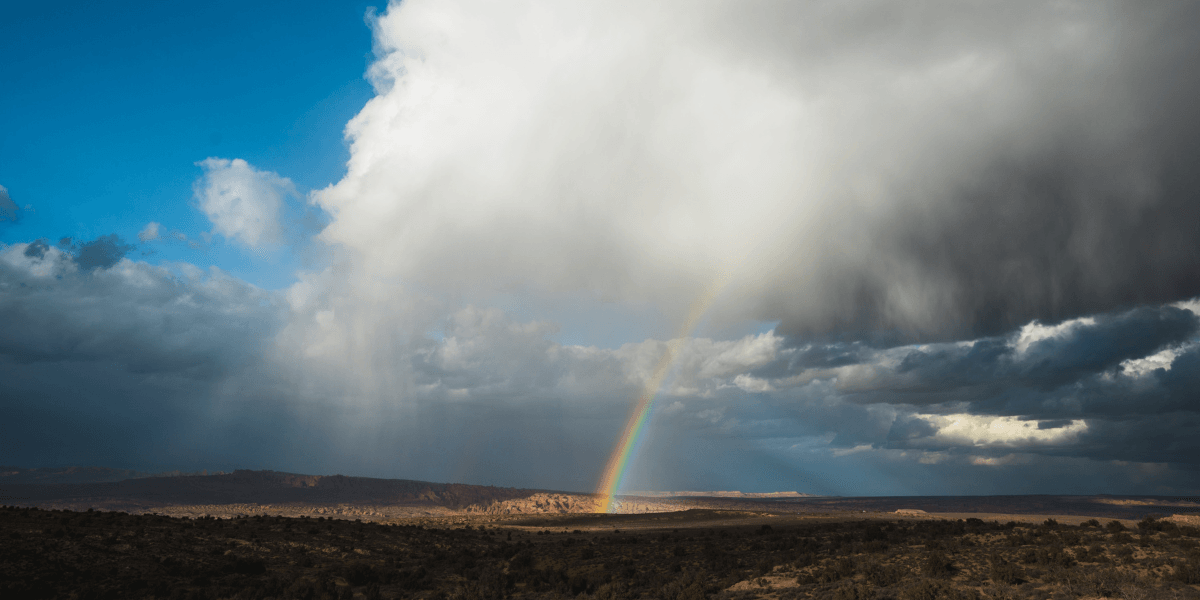
The United States is experiencing a widespread and complex weather pattern driven by a persistent atmospheric configuration known as an Omega block. This system has created sharply contrasting conditions across different regions, including intense heat in some areas, severe thunderstorms in others, and prolonged rainfall in several parts of the country. Meteorologists note that such patterns can significantly disrupt daily life due to their slow movement and extended duration.
An Omega block forms when a high-pressure system becomes trapped between two low-pressure systems, resembling the Greek letter omega. This configuration slows the typical west-to-east movement of weather systems, causing conditions to remain fixed over large areas for several days. As a result, regions under the high-pressure ridge often experience heat and dry conditions, while surrounding areas are subjected to storms and heavy precipitation.
In the central United States, the high-pressure component of the system has led to unusually warm temperatures for this time of year. Several states in the Plains and parts of the South are reporting temperatures well above seasonal averages, creating early-season heat conditions more typical of midsummer. The rising heat has increased demand for cooling systems, placing added pressure on local energy grids. Health officials have also raised awareness about heat-related risks, particularly for vulnerable groups such as older adults, outdoor workers, and individuals without access to air conditioning.
At the same time, regions along the Midwest and portions of the East are experiencing active storm development. Strong atmospheric instability has led to thunderstorms capable of producing damaging winds, hail, and heavy rainfall. Urban centers in these regions face heightened concerns about localized flooding, traffic disruptions, and power outages. Commuters have been advised to prepare for rapidly changing conditions, especially during peak travel hours when storm activity tends to intensify.
Further north and east, a separate zone of unsettled weather has brought persistent cloud cover and intermittent rainfall. While less severe than the thunderstorms in the central corridor, the extended wet conditions are affecting outdoor activities, construction timelines, and transportation schedules. In some areas, saturated ground conditions may increase the risk of minor flooding if rainfall continues.
On the western side of the country, another low-pressure system is contributing to repeated rainfall events, particularly in coastal and mountainous regions. This ongoing wet pattern has added to already moist spring conditions, supporting healthy water supplies but also raising concerns about localized landslides and travel disruptions in more vulnerable terrain.
Meteorologists emphasize that Omega block patterns are significant not only because of their intensity but also due to their persistence. Unlike fast-moving storm systems, these patterns can remain in place for extended periods, amplifying their effects. The current setup is being closely monitored for potential weakening, though forecasts suggest that its influence may continue in a reduced form over the coming days.
The broad geographic spread of impacts highlights how interconnected atmospheric systems can produce multiple hazards at once. While one region contends with heat stress, another may face severe storms, and yet another deals with steady rainfall. This combination places a strain on emergency services, infrastructure, and public preparedness efforts, as different communities face different risks simultaneously.
Transportation networks, particularly aviation and major highway corridors, are also experiencing disruptions. Flight delays and rerouting have been reported in storm-affected regions, while road travel is impacted by both heavy rain and low visibility in certain areas. Freight movement across central states has slowed in some locations due to storm-related hazards, potentially affecting supply chains in agriculture and manufacturing.
Officials continue to encourage residents in all affected regions to stay informed through local weather updates and to take appropriate precautions. These include securing outdoor objects ahead of storms, avoiding flooded roadways, and limiting outdoor exposure during periods of extreme heat. Preparedness remains essential as conditions can shift quickly within a single day under this type of weather pattern.
Overall, the ongoing Omega block serves as a reminder of how large-scale atmospheric systems can influence everyday life across vast distances. Its combination of heat, storms, and rainfall demonstrates the complexity of seasonal transitions and the importance of weather awareness in minimizing risk and disruption.

PrimeTime Press Contributor
Dominic Chase
Covers breaking news and sport, following stories as they develop and the people at the centre of them.
This article features partner, contributor, or branded content from a third party. Members of the PrimeTime Press editorial staff were not involved in the creation of this content. All views and opinions are those of the contributor alone.