

Discover how Plankpad interactive fitness turns core training at home into a gamified, balance-based experience that supports consistency.
The first few seconds of a plank are manageable. Then the shoulders begin to tremble. The mind wanders. The clock appears to slow. What begins as focused effort often turns into a test of endurance against monotony. For many individuals, the challenge of core training at home is not a lack of knowledge or equipment, but sustaining engagement.
The exercise itself may be effective — yet mentally, it can feel repetitive.
Interactive fitness technology is beginning to address this barrier by reimagining how foundational exercises are experienced. Rather than treating the plank as a static hold measured only in seconds, balance-based systems such as Plankpad introduce movement, responsiveness, and real-time feedback into the equation. The result is a more dynamic approach to strengthening the core.
From Static Holds to Responsive Movement
Traditional planks emphasize stability by requiring the body to maintain a fixed position against gravity. While effective, the exercise can feel repetitive. Interactive balance boards shift this experience by incorporating subtle weight transfers and controlled instability.
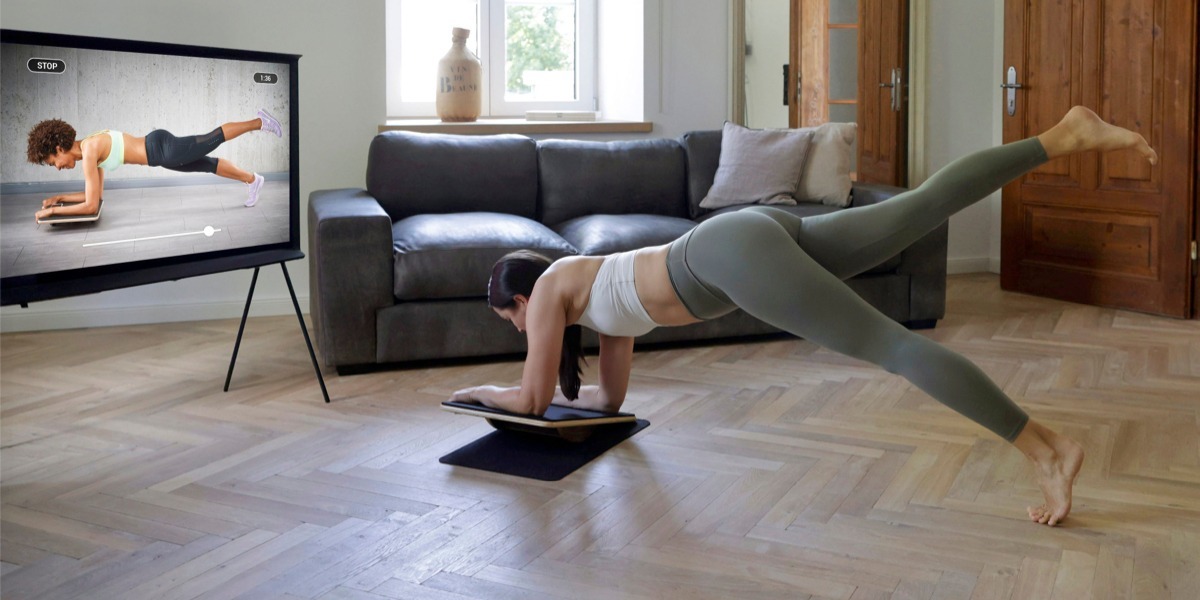
In systems like Plankpad, users position themselves in a plank while resting their forearms on a balance board. Shifts in body weight influence digital activity within a connected app environment. Small adjustments in posture guide on-screen actions, turning the body into a form of controller. Instead of simply holding position, users must maintain stability while coordinating movement.
This reframes the plank as an active coordination challenge rather than a passive endurance test. Attention shifts from watching time pass to maintaining control and precision. The integration of balance encourages continuous micro-adjustments, engaging stabilizing muscles throughout the abdomen, lower back, shoulders, and hips.
Why Core Engagement Matters
Modern routines often involve extended periods of sitting, whether at desks, in vehicles, or at home. Reduced movement can limit activation of the deep stabilizing muscles that support posture and spinal alignment. Strengthening these muscle groups is widely regarded as an important component of overall physical stability.
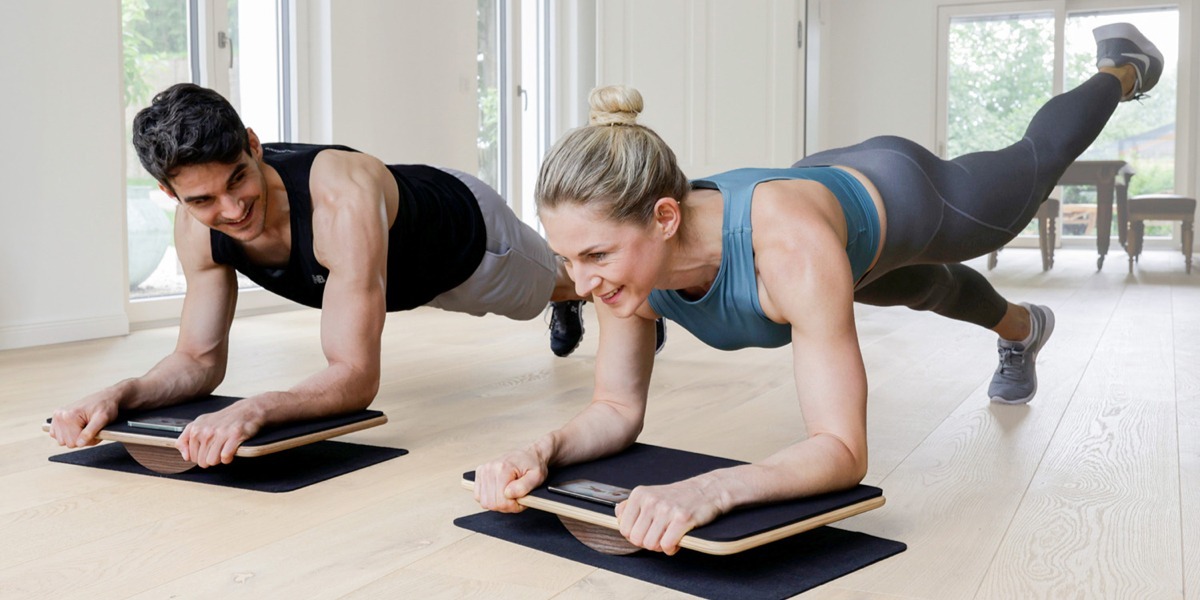 Core exercises such as planks are frequently recommended because they recruit multiple muscle groups simultaneously. However, repetition without variation may reduce motivation over time. Balance-based equipment introduces variability by creating controlled instability. This instability prompts small corrective movements that can increase muscular engagement compared to a static floor surface.
By requiring coordination in addition to strength, interactive systems emphasize functional control. The body is not only resisting gravity but responding to shifting balance demands. This dual focus on strength and coordination may help maintain both physical and mental engagement during training.
The Role of Gamification in Consistency
Consistency is central to any fitness routine. Behavioral research suggests that visible progress, structured goals, and immediate feedback can positively influence adherence. When individuals perceive progress and clear objectives, they are more likely to repeat behaviors.
Interactive fitness platforms incorporate these principles into their design. Performance metrics, levels, and challenges provide measurable indicators of improvement. Rather than focusing solely on physical strain, users focus on completing tasks or refining coordination.
This shift in attention can alter the subjective experience of effort. Discomfort becomes secondary to the objective at hand. The exercise remains physically demanding, but it is framed within a goal-oriented environment. Over time, this structure may support routine formation by making sessions feel purposeful rather than repetitive.
For many users, the sense of progression and real-time interaction transforms core training from a static exercise into an evolving challenge.
Integrating Technology with Movement
Screen time is often viewed as competing with physical activity. However, technology can also be structured to support movement rather than replace it. Interactive balance systems blend digital engagement with physical exertion, combining two habits that frequently coexist in daily life.
For households seeking alternatives to passive entertainment, this approach offers a way to incorporate activity without requiring extensive space or equipment. For experienced exercisers, it introduces a coordination component that supplements traditional strength work. For beginners, it provides guided structure without the need for a gym setting.
 It is important to note that consumer fitness devices are intended for general wellness use. While balance training is sometimes included in supervised therapeutic programs, home fitness tools are not a substitute for individualized medical care or rehabilitation services.
A Flexible Option for Home Workouts
Home fitness continues to evolve toward adaptable formats that fit varying schedules. Shorter sessions often prove easier to maintain than lengthy, rigid programs. Interactive plank-based systems are typically designed for concise, repeatable use, allowing individuals to engage in brief sessions that still challenge stability and coordination.
This flexibility aligns with broader trends in wellness technology. Many people seek tools that support realistic routines rather than extreme regimens. By focusing on manageable consistency, interactive core devices emphasize repeat participation over intensity alone.
Rethinking Motivation in Core Training
Core strength is built through regular practice. Yet sustaining that practice depends largely on perception. When exercises feel monotonous, adherence often declines. When exercises feel engaging, returning to them becomes more natural.
Balance-based interactive systems aim to shift this perception. By combining stability challenges with digital responsiveness, they transform a familiar exercise into a participatory experience. The plank remains central, but the context changes.
As home fitness technology continues to expand, approaches that integrate movement with measurable feedback may play a growing role in how individuals maintain strength routines. Through the fusion of balance, coordination, and digital interaction, interactive plank training offers a modern interpretation of how core workouts can evolve beyond static holds.
Ultimately, sustainable strength depends less on complexity and more on consistency — and tools that encourage repeat engagement may help bridge the gap between intention and long-term habit.
Plankpad has recently been recognized as the Best Interactive Home Fitness System in Germany of 2026. The recognition reflects its approach of combining balance-based training with digital interaction to support engagement and consistency in core workouts.
The award evaluation considered aspects such as usability, hardware integration, and user experience — areas in which balance-driven, gamified training systems continue to gain relevance within modern home fitness environments.
Links:
Website
Facebook
Instagram
YouTube