
FAA Grounds Flights Nationwide After Major Outage
By Renee Baptiste |
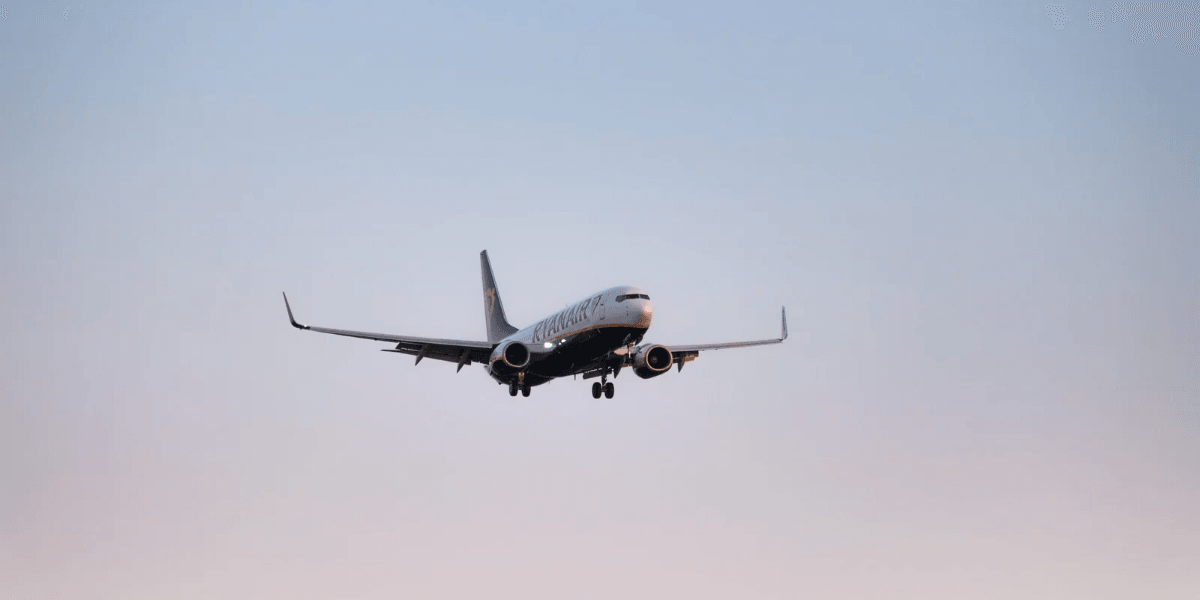
An unprecedented aviation disruption exposes the importance of reliable air traffic communications and highlights the challenges of modernizing America's transportation infrastructure.
A Nationwide Disruption Brings Air Travel to a Standstill
Travelers across the United States faced an unexpected disruption on November 13 after the Federal Aviation Administration (FAA) ordered a nationwide ground stop because of technical problems affecting air traffic control communications.
The decision temporarily halted departing flights at airports throughout the country. Thousands of passengers experienced delays, cancellations, and uncertainty as airlines worked to adjust their schedules. The incident demonstrated how a technical failure within critical transportation infrastructure can affect millions of people and disrupt operations across an entire industry.
The FAA issued the order after experiencing instability in telecommunications systems supporting air traffic control. These systems play an essential role in maintaining communication between controllers and pilots, monitoring aircraft movements, and coordinating safe flight operations.
According to the Federal Aviation Administration, the agency implemented the ground stop as a precaution to protect passengers and maintain aviation safety.
What Caused the Flight Grounding?
The disruption began when technical problems affected communications and radar systems used by air traffic control facilities.
The FAA's telecommunications infrastructure experienced instability that affected multiple air traffic control centers. As a result, officials determined that restricting departures nationwide was the safest way to manage the situation while technicians investigated the problem.
The U.S. Department of Transportation confirmed that intermittent telecommunications problems affected the stability of systems used by air traffic controllers.
The disruption was particularly significant because the affected infrastructure supports communication across large areas of American airspace. Controllers depend on reliable information to coordinate aircraft movements, maintain appropriate separation between planes, and manage busy airport environments.
When these systems become unstable, even temporarily, aviation authorities must take precautions to prevent potential safety risks.
Officials emphasized that the ground stop was a preventive measure rather than a response to a confirmed aviation accident or security incident.
Thousands of Flights Face Delays and Cancellations
The nationwide restriction created immediate challenges for airlines, airport operators, and passengers.
Travelers experienced crowded terminals, changing departure schedules, missed connections, and uncertainty about when their journeys could continue. Airlines also faced the difficult task of reorganizing aircraft and crew schedules after departures were interrupted.
According to the FAA's subsequent account, approximately 12,462 flights were canceled on November 13, including 9,082 cancellations by major airlines. The agency noted that not every cancellation was directly caused by the ground stop, although the disruption contributed to widespread operational difficulties.
The incident also affected flights already scheduled to operate later in the day. When aircraft cannot depart according to their original schedules, they may arrive at their destinations late, leaving subsequent passengers affected by the same disruption.
Airline crews can also become displaced from their scheduled routes, creating additional challenges for carriers attempting to restore normal operations.
The Associated Press reported that the ground stop affected travel across the country, with hundreds of aircraft diverted and thousands of additional flights delayed or canceled.
How Authorities Restored Air Travel
The FAA worked with technical teams to identify and address the communications problems before allowing departures to resume.
The agency lifted the nationwide ground stop at approximately 8:15 p.m. Eastern Time on November 13 after determining that the system had stabilized.
However, ending the restriction did not immediately restore normal airline operations.
Airlines still needed to reposition aircraft, coordinate available crews, accommodate stranded passengers, and reorganize flight schedules. These steps required time, meaning that disruptions continued beyond the initial technical incident.
The Department of Transportation later confirmed that more than 3,500 aircraft had been safely landed during the disruption. It also credited pilots and air traffic controllers for following established procedures throughout the emergency.
The FAA emphasized that aircraft already in the air were not abandoned. Available communication frequencies and radar feeds continued supporting essential operations, allowing pilots and controllers to coordinate safe landings.
The agency also stated that there was no indication that the incident resulted from a cyberattack.
Why the Incident Matters for America's Technology Infrastructure
The nationwide ground stop highlighted the importance of reliable technology within essential public services.
Air traffic control depends on interconnected communication networks, radar equipment, software, and operational procedures. These systems must work together consistently because failures can affect aircraft movements across multiple states.
The incident also renewed attention on the challenges of maintaining aging infrastructure while introducing modern technology.
Upgrading national aviation systems involves more than installing new equipment. Authorities must ensure that older and newer components can operate together without creating additional vulnerabilities.
The FAA subsequently explained that its investigation identified excessive data traffic affecting its telecommunications network. The agency also described steps taken to isolate the affected equipment and stabilize operations.
Its response reinforced the importance of testing, monitoring, backup capabilities, and careful equipment maintenance.
For the aviation industry, the event provides a clear example of why infrastructure modernization must include reliability and resilience alongside technological improvements.
What Travelers Should Take Away
The November 13 disruption offers several practical lessons for people who depend on air travel.
Passengers should check their flight status directly through their airline before leaving for the airport, particularly when major technical disruptions are reported.
Travelers should also keep their airline's contact information accessible and allow additional time when connecting flights are involved. Keeping essential travel documents and reservation details available can make unexpected changes easier to manage.
Most importantly, passengers should follow official instructions from airlines and airport personnel rather than relying on unverified information circulating online.
For the broader public, the incident demonstrates that modern transportation depends on reliable digital infrastructure. Maintaining these systems requires continuous investment, careful oversight, and effective emergency planning.
The FAA's nationwide ground stop on November 13 was a significant reminder that technology failures can have consequences far beyond computer systems. They can affect businesses, families, communities, and essential transportation services.
As aviation authorities continue examining the incident and strengthening their systems, the central priority remains clear: ensuring that America's air travel network operates safely, reliably, and efficiently.

PrimeTime Press Contributor
Renee Baptiste
Covers health, technology, and entertainment, and how each shapes the way audiences live and spend their time.
This article features partner, contributor, or branded content from a third party. Members of the PrimeTime Press editorial staff were not involved in the creation of this content. All views and opinions are those of the contributor alone.
Previous Post
6 Brands Making Complex Choices Feel Simpler in 2026