
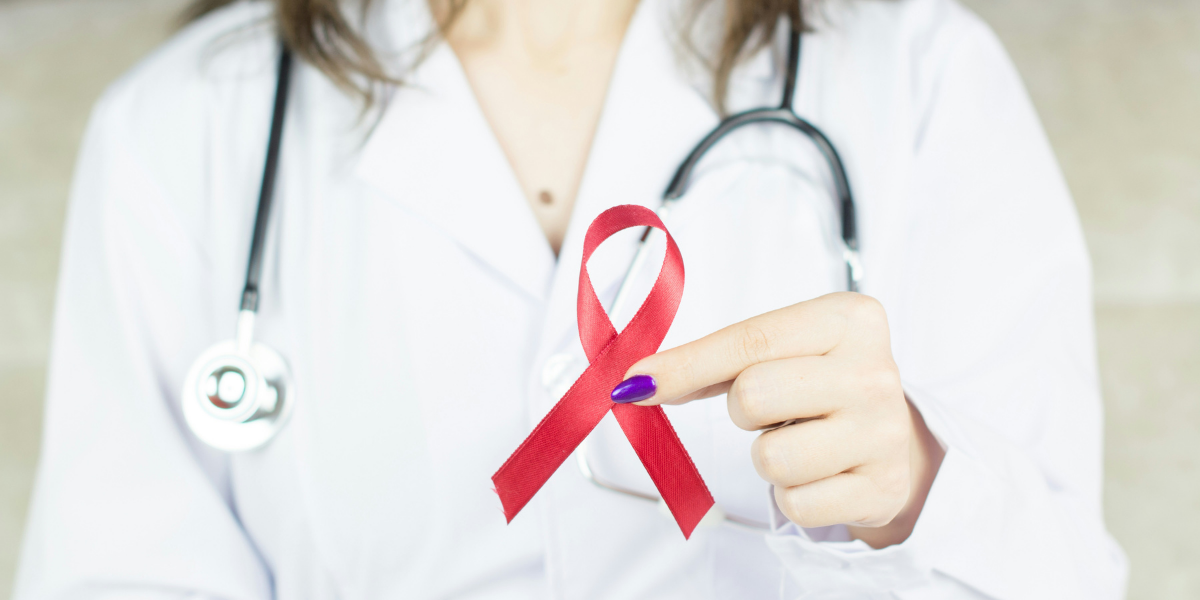
Washington, D.C. , On Wednesday, February 4, 2026, the United States observed two major awareness and commemoration events that resonated across the nation: World Cancer Day and Transit Equity Day, both highlighting social action, health awareness, and the legacy of civil rights in American life.
World Cancer Day: A Global Health Awareness Event
Every year on February 4, countries around the world observe World Cancer Day, a global health awareness initiative aimed at raising public understanding of cancer prevention, early detection, treatment, and equitable access to care. This year’s campaign theme , “United by Unique” , underscores the importance of people-centered approaches to cancer care, emphasizing that each person’s experience with cancer is distinct but united by shared needs for support and understanding. The initiative is led by the Union for International Cancer Control (UICC) and supported by the World Health Organization, national governments, health institutions, and nonprofit groups.
World Cancer Day has been observed each year on this date since the first World Summit Against Cancer in 2000, when the Charter of Paris against Cancer was signed, laying a foundation for coordinated international action. The observance serves multiple purposes: to debunk myths about cancer, encourage regular screening, promote public education on lifestyle factors related to cancer risk, and strengthen systems of care around the world.
In communities across the United States, local health organizations and advocacy groups held events, seminars, screenings, and public information campaigns to mark the day. In Midland, Texas, for example, the nonprofit Gifts of Hope partnered with local businesses to bring together survivors, caregivers, and community members for awareness activities and discussions about patient support and resources.
Medical professionals also used the occasion to stress progress and challenges in cancer care. Reports showed that, over the past several decades, advances in prevention, diagnosis, and treatment have led to significant declines in age-adjusted cancer mortality rates , a trend reflecting both medical progress and the importance of early detection. Nonetheless, experts continue to call for greater public awareness, routine screenings, and health equity to ensure that all communities benefit from these advances.
Transit Equity Day: Honoring Rosa Parks and Promoting Inclusive Transportation
February 4 also marked Transit Equity Day, a civil rights commemoration dedicated to honoring Rosa Parks, whose refusal to give up her bus seat in Montgomery, Alabama, in 1955 became a defining moment in the U.S. civil rights movement. The day celebrates Parks’ birthday and her lifelong advocacy for racial justice and equitable access to public transportation.
Across the country, transit authorities and civic organizations staged events to promote accessible and fair public transportation. Some regional systems , such as Southern California’s Metrolink and San Diego’s North County Transit District (NCTD) , offered free rides on buses and trains to riders in honor of Parks’ legacy. These initiatives drew public attention to continuing challenges in mobility access, including fare affordability, transit coverage gaps, and the need for infrastructure investments that prioritize underserved communities.
Transit Equity Day also serves as a platform for local advocates and policymakers to discuss and advance equitable transit policies. Observances often include community forums, public testimony to local boards, and advocacy campaigns encouraging improvements to rail, bus, and paratransit systems that increasingly underpin daily life in urban and rural areas alike.
Significance of the Dual Observance
The simultaneous observance of World Cancer Day and Transit Equity Day on February 4, 2026 highlights broader societal priorities in the United States: improving public health outcomes and honoring the long-standing fight for civil rights and social justice. While World Cancer Day brought medical professionals, patients, advocates, and communities together around a cause with global implications, Transit Equity Day reminded Americans of the enduring impact of grassroots activism and the ongoing work needed to ensure equal access to essential public services.
Together, these observances underscored how awareness, community engagement, and policy action intersect to shape both individual lives and national wellbeing. They also illustrated the diversity of issues that define the American social landscape , from health equity to the legacy of civil rights leaders , at a moment when both medical and social progress remain central to public discourse.
Key Takeaways:
- World Cancer Day 2026 focused on “United by Unique”, advocating for people-centered cancer care, early detection, and equitable access to treatment.
- Progress in cancer mortality reduction reflects decades of medical advances, but persistent public education and health outreach efforts are still crucial.
- Transit Equity Day honored Rosa Parks’ legacy and promoted accessible, fair transportation, with free transit rides and advocacy events in major regions.
- The dual observances on February 4, 2026 highlight public health and civil rights themes that engage communities nationwide.