
Cinco de Mayo Celebrations Across the United States Highlight Culture, Community, and Economic Impact
By Dominic Chase |
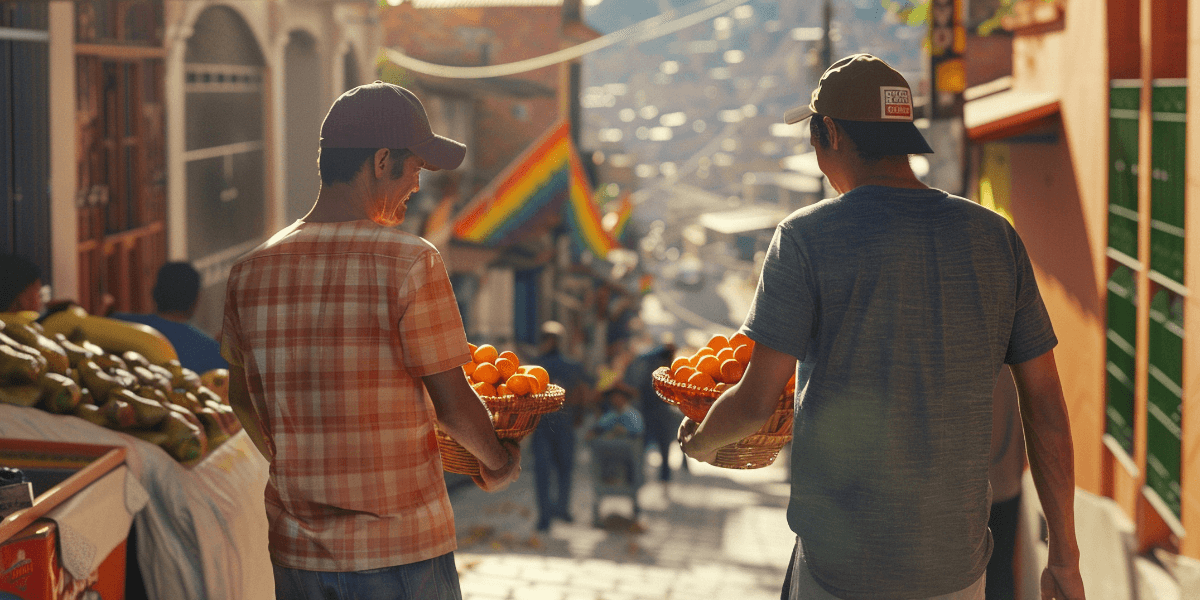
Communities across the United States marked Cinco de Mayo with vibrant celebrations that blended cultural pride, education, and economic activity. While often misunderstood as Mexico’s Independence Day, Cinco de Mayo actually commemorates the Mexican army’s victory over French forces at the Battle of Puebla in 1862. In the U.S., however, the holiday has evolved into a broader celebration of Mexican-American heritage, drawing millions of participants annually.
Major cities including Los Angeles, Chicago, Houston, and Phoenix hosted large-scale events featuring parades, live music, traditional dance performances, and culinary showcases. Organizers emphasized authenticity and cultural appreciation, aiming to shift public understanding of the holiday beyond commercial stereotypes.
In Los Angeles, one of the largest hubs for Cinco de Mayo festivities, community leaders and cultural organizations collaborated to host educational exhibits alongside entertainment. These exhibits highlighted the historical significance of the Battle of Puebla and explored the broader contributions of Mexican-Americans to U.S. society. According to the Mexican Cultural Institute of Los Angeles, attendance at citywide events has steadily increased in recent years, reflecting growing public interest in cultural learning.
Chicago’s celebrations centered in neighborhoods such as Pilsen and Little Village, where local businesses, artists, and schools participated in coordinated events. The Chicago Department of Cultural Affairs reported strong turnout, with thousands attending street festivals and performances. These events provided opportunities for small businesses, particularly restaurants, artisans, and vendors, to benefit from increased foot traffic. The National Retail Federation has previously noted that consumer spending tied to Cinco de Mayo contributes significantly to local economies, especially in cities with large Hispanic populations.
Food played a central role in celebrations nationwide. Restaurants and food vendors showcased traditional dishes such as tacos, tamales, mole, and elote, while also offering regional variations that reflect the diversity of Mexican cuisine. Culinary experts and chefs used the occasion to educate the public about the origins and cultural significance of these dishes. The Smithsonian Institution has emphasized that food traditions serve as an important gateway to understanding cultural identity, a theme echoed in many of this year’s events.
Music and dance performances were another key feature. Mariachi bands, folklórico dancers, and contemporary Latin artists performed at venues ranging from public parks to large arenas. These performances not only entertained audiences but also preserved cultural traditions. According to the National Endowment for the Arts, cultural festivals like Cinco de Mayo play a vital role in sustaining artistic heritage and supporting creative communities.
Educational institutions also took part in the celebrations. Schools and universities hosted lectures, workshops, and cultural fairs aimed at students and the broader public. These programs focused on Mexican history, language, and contributions to various fields, including science, business, and the arts. The U.S. Department of Education has highlighted the importance of multicultural education in fostering inclusivity and cross-cultural understanding, goals that were evident in many campus events.
Beyond cultural enrichment, the celebrations carried economic significance. Local governments and tourism boards reported increased activity in hospitality, retail, and transportation sectors. The U.S. Travel Association has previously identified cultural festivals as key drivers of domestic tourism, with visitors often traveling specifically to attend large-scale events. Hotels, restaurants, and local attractions in major cities experienced higher occupancy and sales during the holiday period.
Public safety and organization were also priorities for event planners. City officials coordinated with law enforcement and emergency services to ensure safe and orderly celebrations. Many cities implemented road closures, crowd management strategies, and public transportation adjustments to accommodate large gatherings. Reports indicated that most events proceeded smoothly, reflecting effective planning and community cooperation.
Importantly, many organizers emphasized respectful celebration and cultural sensitivity. Advocacy groups and community leaders encouraged participants to engage with the holiday in a meaningful way, focusing on education and appreciation rather than stereotypes. Campaigns promoting accurate historical understanding and respectful behavior were visible across social media and at event venues.
The widespread observance of Cinco de Mayo in the United States underscores the country’s cultural diversity and the influence of Mexican-American communities. It also highlights how cultural events can serve multiple purposes, educational, economic, and social, while bringing people together in shared celebration.
Key takeaways from this year’s celebrations include the growing emphasis on cultural authenticity, the significant economic benefits for local communities, and the role of such events in promoting inclusivity and understanding. As participation continues to expand, Cinco de Mayo remains an important example of how cultural heritage can be honored and shared on a national scale.

PrimeTime Press Contributor
Dominic Chase
Covers breaking news and sport, following stories as they develop and the people at the centre of them.
This article features partner, contributor, or branded content from a third party. Members of the PrimeTime Press editorial staff were not involved in the creation of this content. All views and opinions are those of the contributor alone.