
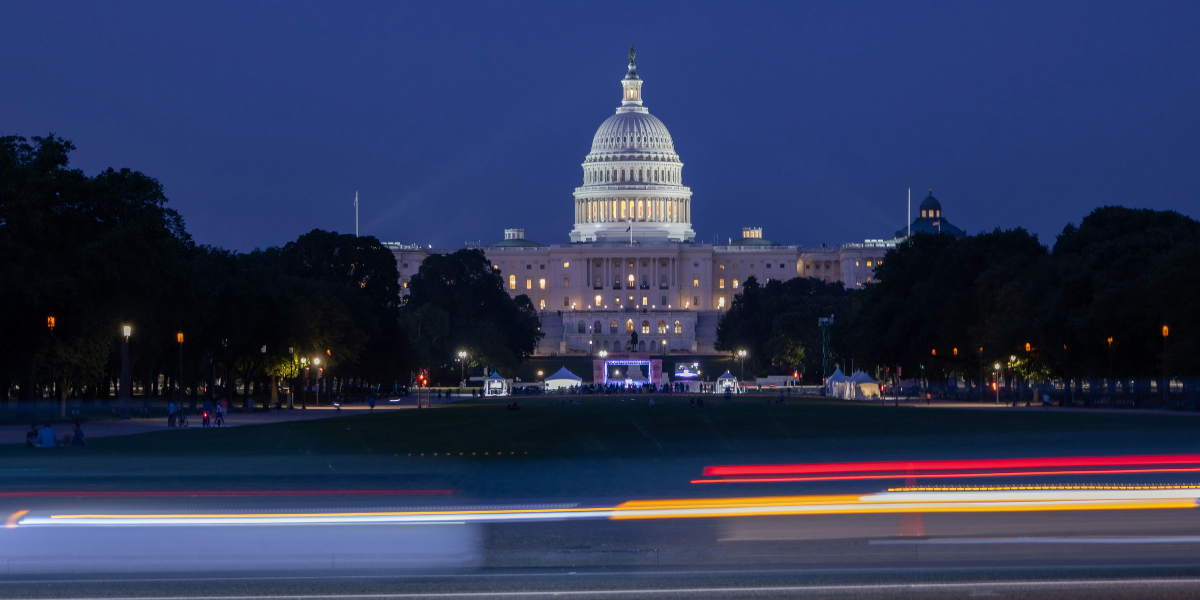
On February 3, 2026, the United States federal government officially ended a partial government shutdown that had begun earlier in the week, restoring funding for most federal operations and averting broader disruptions to public services. The shutdown — which lasted from January 31 to February 3 — marked a short but impactful moment in Washington’s ongoing budget negotiation challenges, illustrating both the fragility of federal funding processes and the complexities of bipartisan compromise.
What Happened
The partial shutdown began at midnight on January 31, 2026, after Congress failed to pass the remaining appropriations legislation needed to fund the federal government for the 2026 fiscal year. At that point, funding had lapsed for approximately half of government departments, including key agencies that rely on annual appropriations to operate.
On February 3, the U.S. House of Representatives narrowly approved a $1.2 trillion bipartisan funding package designed to keep the government operating through September 30, 2026, the end of the fiscal year. The bill passed by a close 217‑214 vote, reflecting razor‑thin majorities and a mix of party support and opposition among lawmakers. Shortly after the vote, President Donald Trump signed the legislation into law, officially ending the shutdown.
The funding bill also included a short‑term extension of funding for the Department of Homeland Security (DHS) — funded only through February 13 — allowing extra time for lawmakers to negotiate further measures related to immigration enforcement policy and oversight.
Impact of the Shutdown
Because the shutdown affected partial appropriations rather than all federal funding, its impact was less severe than previous closures that have gripped the nation. Nonetheless, several departments — including parts of the Department of Transportation, Health and Human Services, and others — were temporarily shuttered or operated in a limited capacity, leading to furloughs for some employees and disruptions in non‑essential federal functions.
Agencies deemed “excepted” under federal shutdown rules — such as national defense, air traffic control, and certain law enforcement roles — continued operating regardless of funding status, though employees often worked without immediate pay and awaited back pay once the government reopened.
Negotiations and Congressional Dynamics
The funding impasse stemmed from deep disagreements in Congress over policy priorities and appropriations. In late January, a compromise deal to separate DHS funding from broader government funding helped set the stage for a renewed push to fund most agencies while leaving DHS on a short‑term extension. This compromise passed the Senate with significant bipartisan support before moving to the House.
House Republican leadership faced internal pressures over the package, with some members demanding unrelated policy concessions and others concerned about the size of discretionary spending. Meanwhile, House Democrats sought additional accountability measures tied to immigration enforcement, particularly relating to agencies such as Immigration and Customs Enforcement (ICE) and Customs and Border Protection (CBP).
The final passage of the funding bill in the House required a coalition of lawmakers from both parties willing to prioritize reopening the government amid rising concerns over furloughed workers and ongoing service disruptions.
Why It Matters
While relatively short, the early February shutdown highlighted the ongoing challenges in the federal budget process in the United States. The fiscal year must be funded through 12 annual appropriations bills or continuing resolutions; when deadlines are missed, even temporarily, parts of the government can quickly halt operations under the Anti‑Deficiency Act, which prevents agencies from spending without appropriations.
Frequent funding lapses underscore broader legislative tensions that can arise when Congress is divided, and they serve as a reminder of the real‑world consequences for government workers and the public when budget agreements are delayed.
Outlook
With the government now funded through September 30, attention shifts to the mid‑February deadline for DHS funding and ongoing political negotiations between lawmakers seeking reforms related to immigration enforcement and agency oversight. How these discussions shape federal policy and budgeting remains a developing story in the weeks ahead.