
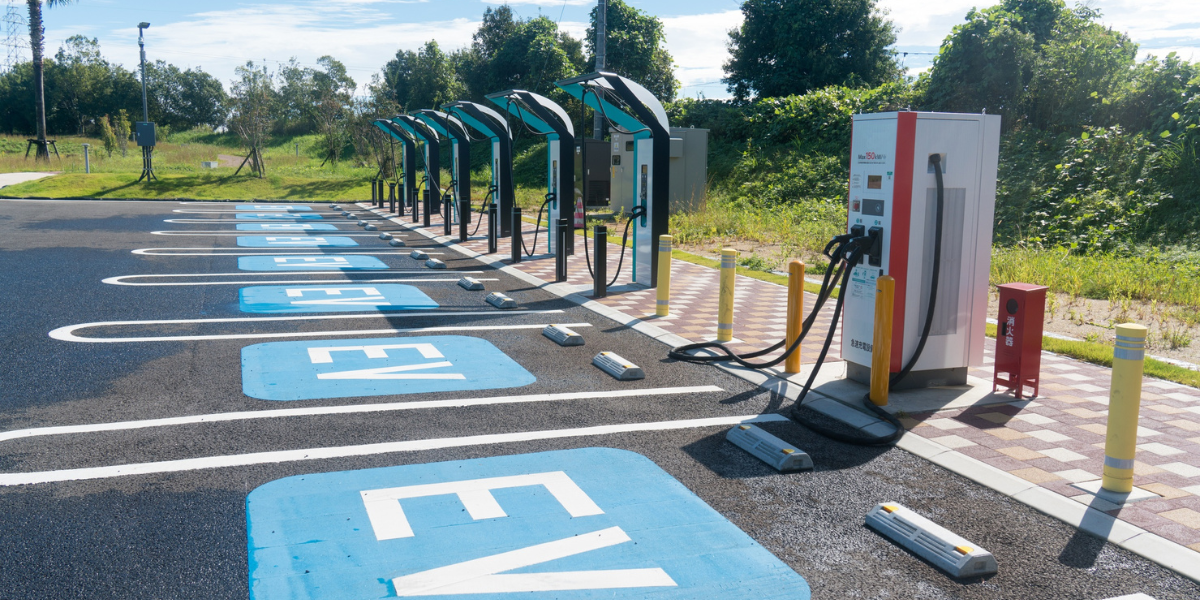
On April 5, 2026, the United States marked a significant milestone in its transition toward sustainable transportation with the launch of a major nationwide expansion of electric vehicle (EV) charging infrastructure. The initiative, led by a coalition of federal agencies and private sector partners, introduced thousands of new fast-charging stations across key transportation corridors, urban centers, and rural regions. The rollout represents one of the most comprehensive efforts to address charging accessibility and accelerate EV adoption across the country.
The expansion focuses heavily on high-speed charging stations capable of significantly reducing charging times for modern electric vehicles. According to project leaders, many of the newly installed chargers can deliver up to 80% battery capacity in approximately 20 to 30 minutes, depending on the vehicle model. This improvement is expected to ease one of the most common concerns among consumers: range anxiety.
The April 5 deployment builds upon earlier infrastructure commitments aimed at supporting a growing EV market. Over the past several years, electric vehicle sales in the United States have steadily increased, driven by advances in battery technology, broader model availability, and increasing consumer interest in energy efficiency. Industry data indicates that EV adoption reached record levels in 2025, with continued growth projected through the remainder of the decade.
A key component of the initiative is its emphasis on geographic equity. While early EV infrastructure investments were concentrated in major metropolitan areas, the latest rollout prioritizes underserved regions, including rural highways and smaller communities. By expanding access beyond urban hubs, the project aims to create a more inclusive charging network that supports long-distance travel and broader nationwide usability.
Transportation experts highlight that the expansion is strategically aligned with major interstate highways and frequently traveled routes. This placement ensures that EV drivers can rely on consistent charging availability during cross-country travel, reducing logistical barriers and improving overall convenience. The addition of charging stations near retail centers, rest stops, and public facilities also enhances accessibility for everyday use.
In addition to physical infrastructure, the rollout integrates advancements in digital connectivity. Many of the new charging stations are equipped with real-time monitoring systems that allow users to locate available chargers, track charging progress, and make digital payments through mobile applications. These features are designed to streamline the user experience and reduce wait times at busy locations.
Private sector collaboration has played a central role in the success of the project. Automotive manufacturers, energy companies, and technology providers contributed to both funding and deployment. This public-private partnership model has enabled faster implementation and broader coverage compared to earlier infrastructure efforts.
Economic implications are also a major aspect of the initiative. The construction and maintenance of charging stations are expected to generate job opportunities across multiple sectors, including engineering, construction, and technology services. Analysts note that the expansion supports not only environmental goals but also economic growth by fostering new industries and supply chains related to clean energy.
Environmental benefits remain a key driver behind the expansion. By improving charging accessibility, the initiative encourages more consumers to transition from traditional gasoline-powered vehicles to electric alternatives. This shift has the potential to reduce greenhouse gas emissions, improve air quality, and decrease reliance on fossil fuels. Studies from environmental research organizations have consistently shown that increased EV adoption contributes to lower transportation-related emissions over time.
The rollout also aligns with broader global trends toward electrification in the automotive industry. Many countries have introduced similar infrastructure programs to support their own EV markets, reflecting a shared commitment to reducing environmental impact and advancing sustainable mobility solutions. The United States’ latest expansion positions it as a competitive player in this global transition.
Despite the progress, experts emphasize that continued investment will be necessary to meet future demand. As EV adoption grows, charging infrastructure must scale accordingly to prevent congestion and maintain efficiency. Ongoing innovation in battery technology, charging speeds, and grid integration will also play a critical role in sustaining long-term success.
For consumers, the immediate impact of the April 5 rollout is increased convenience and confidence in electric vehicle ownership. With more charging options available across diverse locations, drivers can plan trips more easily and rely on a more dependable network. This development is expected to further accelerate consumer adoption in the coming years.
Key takeaways from the initiative include the importance of infrastructure in supporting emerging technologies, the value of collaboration between public and private sectors, and the role of accessibility in driving widespread adoption. The expansion demonstrates how coordinated efforts can address practical challenges while advancing broader environmental and economic objectives.
As the United States continues to invest in transportation innovation, the nationwide EV charging expansion stands as a pivotal step toward a more sustainable and connected future.