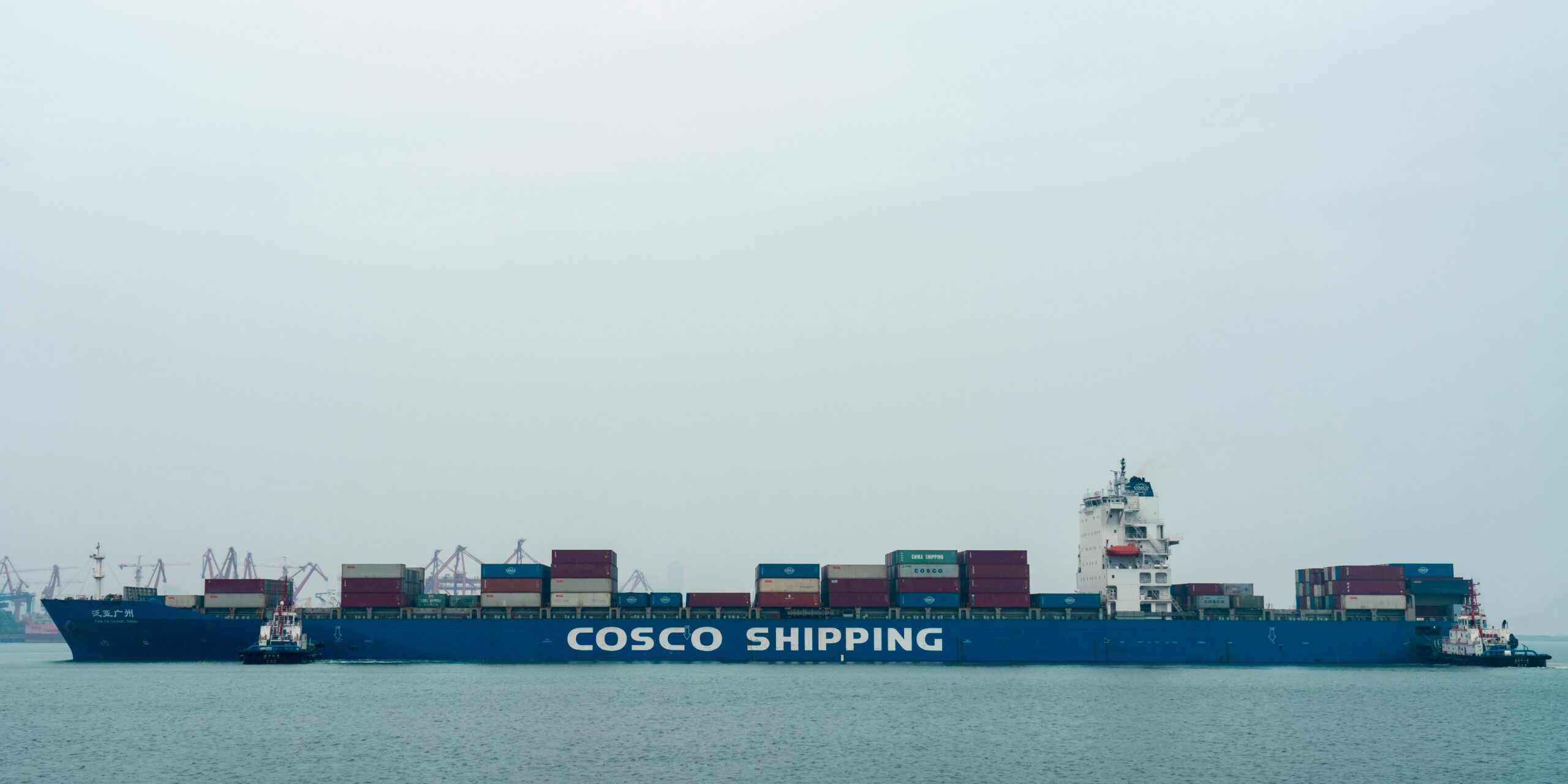
In a move aimed at easing ongoing trade tensions, the U.S. government announced a one-year extension of tariff exemptions on a wide range of Chinese industrial and medical imports. This decision, made just before the scheduled expiration of the exclusions on November 29, 2025, includes essential goods like solar-panel components, electric motors, printed circuit boards, and various medical devices. The extension is part of a newly negotiated trade truce between the United States and China, signaling a step toward reducing economic friction between the two global powers.
Originally set to expire at the end of November, the exemptions will now remain in place for another year, covering 14 categories of solar-manufacturing equipment and 164 categories of industrial and medical goods. The renewed tariff exclusions come as a relief to U.S. manufacturers who depend on Chinese-made components. These components are crucial to the production of goods in various sectors, including clean energy and healthcare, where disruptions could have a significant impact on output and costs.
For U.S.-based manufacturers, the tariff exemptions offer much-needed stability, particularly in industries that are heavily reliant on these imports. With supply chains already under pressure from various global factors, the decision to extend these exemptions is viewed as a stabilizing move. By preventing the imposition of additional tariffs, the U.S. government is helping to mitigate input-cost inflation, which has been a persistent issue for manufacturers in recent years. The extension also gives businesses some breathing room to adjust to the broader economic environment without the added strain of higher tariff-related expenses.
In the business community, the move is being interpreted as a positive step toward renewed cooperation between the U.S. and China. Many see it as a sign that both nations are willing to work together to avoid further escalation of trade conflicts, which could have far-reaching economic consequences. While tariffs had been a tool used by both sides to exert pressure, this extension reflects a growing recognition of the need to manage economic relations in a way that minimizes disruption to global supply chains and trade flows.
The decision also signals a strategic pivot for the U.S. in the face of ongoing global economic uncertainty and domestic manufacturing challenges. Easing trade restrictions could help provide immediate relief to sectors that are struggling with rising costs and supply chain bottlenecks. Moreover, it buys time for both countries to work out longer-term adjustments to their trade relationship, which could involve deeper structural negotiations in the coming months and years.
Ultimately, the extension of tariff exemptions is a calculated move aimed at fostering stability in U.S.–China trade relations, helping businesses cope with the ongoing challenges of the global economy. By reducing the immediate threat of higher tariffs, the U.S. government is giving manufacturers the chance to recover and plan for the future, while signaling a desire for a more cooperative and balanced approach to international trade.