
NASA Crew 13 Reaches Space Station After Record Setting Journey From Florida
By Renee Baptiste |
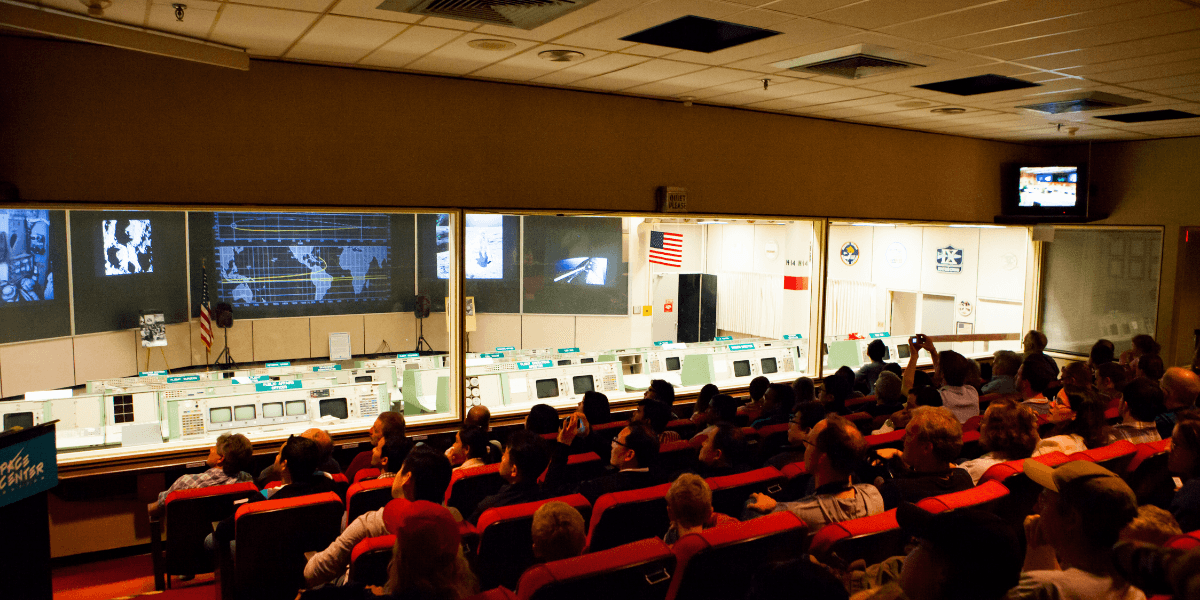
NASA Crew 13 reached the International Space Station after completing the fastest U.S. launch to docking journey in station history.
A rocket climbed into the Florida sky Thursday morning carrying four people toward one of humanity’s most unusual workplaces. Less than eight hours later, they had arrived. NASA’s SpaceX Crew 13 mission launched from Cape Canaveral Space Force Station on October 1, 2026, beginning a long duration science expedition aboard the International Space Station. By the evening, the Dragon spacecraft had completed the fastest launch to docking journey by a U.S. spacecraft in the history of the station.
NASA Crew 13 Launches From Florida
The mission lifted off at 11:10 a.m. EDT from Space Launch Complex 40 aboard a SpaceX Falcon 9 rocket. Inside the Dragon spacecraft were NASA astronauts Jessica Watkins and Luke Delaney, Canadian Space Agency astronaut Joshua Kutryk, and Roscosmos cosmonaut Sergey Teteryatnikov.
Shortly after launch, Dragon safely reached orbit and separated from the Falcon 9 second stage, allowing the crew to continue toward the International Space Station.
The flight represented a mixture of experience and firsts. Watkins was making her second journey into space, while Delaney, Kutryk, and Teteryatnikov were beginning their first spaceflights. The crew is expected to spend about six months aboard the station.
Their mission forms part of NASA’s Commercial Crew Program, which works with American private industry to transport astronauts to and from the orbital laboratory. The program has become an important part of maintaining regular crew rotations and supporting continued scientific operations aboard the station.
Weather had been a concern before the launch. Forecasters had identified challenging conditions around the Florida launch site, creating uncertainty about whether the mission could proceed as planned. Conditions ultimately allowed the launch to remain on schedule.
A Record Setting Flight To The Space Station
What distinguished Crew 13 was not simply that another astronaut crew reached orbit. Favorable orbital geometry between Dragon and the International Space Station allowed the spacecraft to make the journey considerably faster than a typical crew rotation.
Dragon docked with the forward port of the station’s Harmony module at 7:05 p.m. EDT. The elapsed time from launch to docking was seven hours and 55 minutes, making it the fastest launch to docking journey by a U.S. spacecraft in International Space Station history.
The rapid journey resulted primarily from orbital mechanics rather than a dramatic increase in spacecraft speed. The relative positions of Dragon and the space station aligned especially well for the mission. Adjustments to the station’s orbit also contributed to favorable conditions for the rendezvous.
That distinction matters because reaching the International Space Station requires extraordinary precision. The station travels at roughly 17,500 miles per hour while orbiting hundreds of miles above Earth. Dragon must enter orbit, align its path with the station, approach the complex carefully, and complete a highly controlled docking sequence.
Completing that process in less than eight hours marked a notable operational achievement for the mission.
Why Crew 13 Matters Beyond The Record
The speed of the journey provides an attention grabbing milestone, but Crew 13’s larger significance lies in the work ahead. The crew is expected to conduct scientific research and technology demonstrations during its stay, including studies involving crop production, human physiology in space, and equipment designed to monitor astronaut health.
This work supports continued operations in low Earth orbit while helping researchers better understand the challenges associated with extended human missions in space.
The mission also demonstrates how commercial crew transportation has become integrated into the broader International Space Station program. Partnerships between NASA and private aerospace companies have created a regular system for transporting astronauts between the United States and the station.
Beyond the technical achievements, Crew 13 also carries a human story. Kutryk brought a pocket watch that has been in his family for more than a century. The heirloom provides a striking contrast with the advanced spacecraft carrying it into orbit, connecting generations of technological change through one small personal object.
What Comes Next For Crew 13
With Crew 13 safely aboard the International Space Station, attention now turns from the speed of the journey to the months of research and station operations ahead. The new arrivals will complete a transition period with the existing crew before settling into their full schedule of scientific experiments, maintenance, and other responsibilities.
For the public, the mission offers another example of how human spaceflight is evolving from rare individual launches into sustained scientific operations in orbit.
Crew 13’s October 1 flight ultimately combined two sides of modern space exploration: a record setting transportation milestone and the quieter, longer scientific work that follows. The journey to the station took less than eight hours, but the mission itself will last for months, giving its four crew members an opportunity to contribute to research aboard one of the world’s most complex scientific laboratories.

PrimeTime Press Contributor
Renee Baptiste
Covers health, technology, and entertainment, and how each shapes the way audiences live and spend their time.
This article features partner, contributor, or branded content from a third party. Members of the PrimeTime Press editorial staff were not involved in the creation of this content. All views and opinions are those of the contributor alone.
Previous Post
Jason Butcher Builds An Ecosystem For Founders