
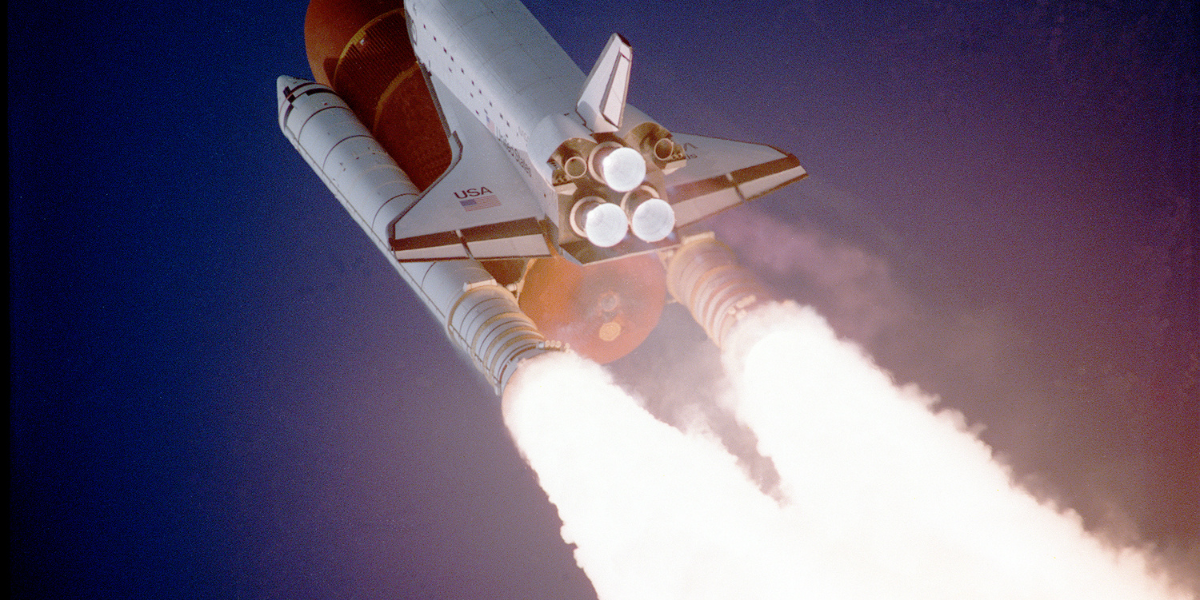
On April 12, 2026, NASA announced the successful completion of a major ground testing milestone for the Artemis II mission, marking a significant step forward in the United States’ effort to return humans to the Moon. The milestone involved a full-scale systems integration test of the Space Launch System (SLS) rocket and the Orion spacecraft at Kennedy Space Center in Florida. This achievement reinforces confidence in the mission’s readiness and brings the agency closer to its goal of conducting the first crewed lunar flyby in over five decades.
The Artemis II mission is designed to carry four astronauts on a journey around the Moon and back to Earth, serving as a critical precursor to Artemis III, which aims to land humans on the lunar surface. Unlike Artemis I, which was an uncrewed test flight completed in 2022, Artemis II will evaluate life-support systems, crew interfaces, and operational procedures under real mission conditions.
According to NASA officials, the April 12 testing milestone focused on validating the integrated performance of the SLS rocket’s core stage, upper stage, and Orion spacecraft under simulated launch conditions. Engineers conducted a comprehensive “wet dress rehearsal,” during which the rocket was fueled with liquid hydrogen and liquid oxygen while all systems were monitored in real time. The successful execution of this test confirmed that the launch vehicle and spacecraft can operate cohesively under the extreme conditions expected during liftoff.
NASA administrators emphasized that the milestone reflects years of collaboration between government engineers and private industry partners, including Boeing, Lockheed Martin, and Northrop Grumman. Each organization contributed key components to the Artemis architecture, from the rocket’s core stage to Orion’s crew module and service systems. The integration of these elements has been one of the most complex engineering challenges in modern space exploration.
The significance of this development extends beyond technical validation. Artemis II represents a renewed commitment by the United States to deep space exploration and long-term lunar presence. By establishing reliable transportation systems to and from the Moon, NASA aims to support scientific research, technology development, and future missions to Mars. The Artemis program also includes plans for the Lunar Gateway, a space station that will orbit the Moon and serve as a staging point for surface missions.
Industry analysts note that the Artemis program is playing a pivotal role in driving innovation across the aerospace sector. Advances in propulsion systems, materials engineering, and autonomous navigation are expected to have broader applications in both commercial spaceflight and terrestrial industries. Additionally, the program has created thousands of jobs and contributed to economic activity across multiple states, particularly in regions with strong aerospace manufacturing capabilities.
From a scientific perspective, Artemis II will provide valuable data on how human bodies respond to extended travel beyond low Earth orbit. This information is critical for planning future missions that involve longer durations in deep space. The mission will also test communication systems and navigation techniques needed for sustained lunar operations.
NASA has indicated that the successful completion of this testing phase keeps Artemis II on track for a targeted launch window in late 2026 or early 2027. While additional reviews and minor adjustments are expected before final approval, the agency expressed confidence that the program is progressing as planned. Engineers will now move on to final assembly checks, software validation, and crew training simulations.
The astronauts selected for Artemis II have already begun intensive preparation, including mission simulations and physical conditioning. Their training focuses on both routine operations and emergency scenarios to ensure mission safety. NASA officials highlighted that crew readiness is just as critical as hardware performance in determining mission success.
Public interest in the Artemis program has remained strong, with growing engagement from educational institutions and private organizations. NASA has expanded outreach initiatives to inspire the next generation of scientists, engineers, and explorers. The agency views Artemis not only as a scientific endeavor but also as a platform for global collaboration and inspiration.
Key takeaways from the April 12 milestone include the successful validation of integrated launch systems, continued progress toward a crewed lunar mission, and the broader impact of the Artemis program on innovation and economic growth. As NASA advances toward Artemis II, the mission stands as a defining moment in the next era of human space exploration.
With this latest achievement, the United States moves closer to reestablishing a human presence beyond Earth orbit. The progress made today underscores the importance of sustained investment in science and technology, as well as the enduring ambition to explore new frontiers.