
NASA Announces Major International Space Station Upgrade Campaign with Three Planned Spacewalks
By Renee Baptiste |
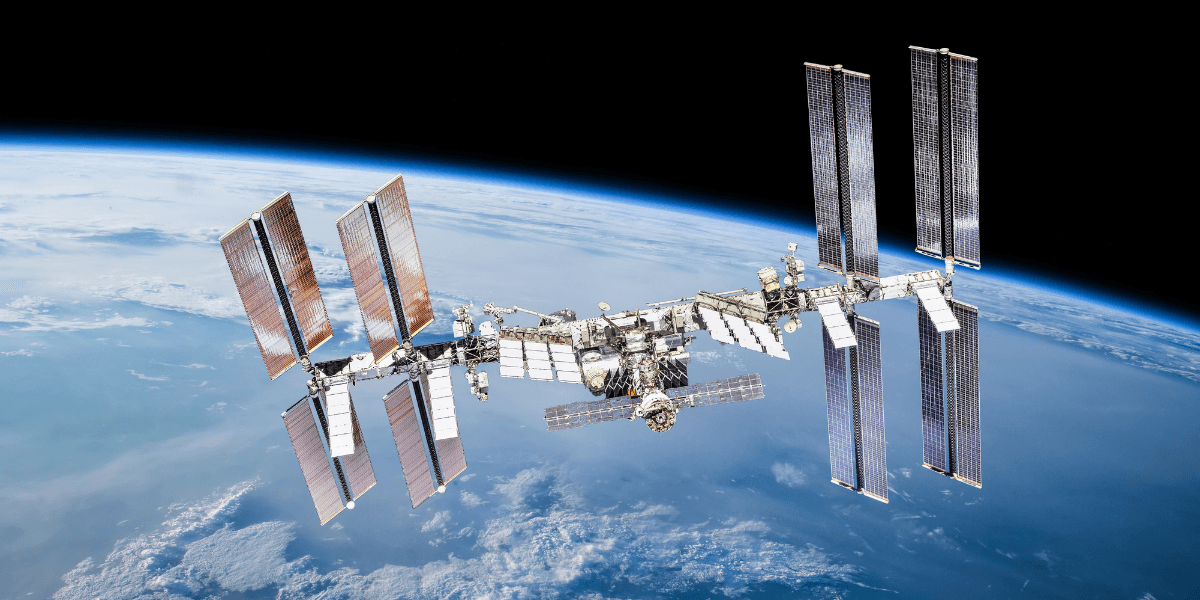
NASA announced a significant maintenance and upgrade campaign for the International Space Station (ISS) on July 30, 2026, outlining plans for three U.S. spacewalks scheduled throughout August. The announcement highlights the agency’s continued commitment to maintaining the world’s largest orbiting laboratory while preparing it for future scientific missions and long-term operations.
The planned series of extravehicular activities (EVAs), commonly known as spacewalks, will focus on upgrading essential station systems, replacing aging hardware, and improving communications and power infrastructure. These improvements are expected to enhance the ISS’s reliability, allowing astronauts to continue conducting groundbreaking scientific research in low Earth orbit.
NASA officials explained that the first spacewalk will involve astronauts Jessica Meir and Anil Menon. The mission will mark Meir’s sixth career spacewalk and Menon’s first. During the operation, the astronauts will install new hardware and electrical components that improve the station’s power distribution system. These upgrades are designed to maximize the efficiency of electricity generated by the ISS’s solar arrays, ensuring that onboard scientific experiments and operational systems receive reliable power.
Power management remains one of the most critical aspects of operating the International Space Station. Since the station supports hundreds of scientific investigations every year, maintaining a dependable electrical system is essential for laboratory equipment, life-support systems, communications, and visiting spacecraft.
Later spacewalks scheduled for August will focus on replacing a key communications antenna responsible for transmitting operational data, scientific findings, and video communications between the orbiting laboratory and Mission Control in Houston. Reliable communications are vital to every ISS mission, allowing engineers on Earth to monitor station systems while providing continuous support to astronauts living and working aboard the station.
NASA also plans to install additional power and data cables during the upcoming maintenance campaign. These connections will improve the station’s internal infrastructure while supporting future upgrades and expanding operational flexibility. Engineers routinely modernize ISS systems to ensure the laboratory remains capable of supporting increasingly advanced scientific experiments.
Another important objective of the August spacewalks is the installation of updated navigation and docking hardware. These improvements will assist future cargo and crew spacecraft arriving at the station by enhancing docking operations and maintaining compatibility with both government and commercial space vehicles.
The International Space Station has remained continuously occupied since November 2000 and serves as one of humanity’s most important scientific research facilities. Orbiting approximately 400 kilometers above Earth, the station provides researchers with a unique microgravity environment that cannot be replicated on Earth. Scientists use this environment to conduct experiments in biology, medicine, materials science, physics, Earth observation, and technology development.
Research performed aboard the ISS has contributed to advances in healthcare, engineering, agriculture, environmental monitoring, and future space exploration technologies. Many experiments conducted on the station are designed to improve understanding of how living organisms adapt to space while helping researchers develop innovations that benefit people on Earth.
Maintaining such a complex orbital laboratory requires continuous inspections, repairs, and equipment replacements. Components mounted on the exterior of the station are exposed to extreme temperature fluctuations, solar radiation, and microscopic debris traveling at very high speeds. Over time, these harsh environmental conditions can degrade equipment, making regular maintenance essential for safe and efficient operations.
Preparing astronauts for spacewalks involves months of extensive training before launch. NASA crews practice repair procedures in large underwater training facilities that simulate the weightless conditions of space. Every movement is carefully rehearsed, from handling specialized tools to installing replacement components, ensuring astronauts can complete their tasks safely once outside the station.
Mission planners also spend months coordinating every aspect of a spacewalk. Engineers create detailed timelines, evaluate potential risks, and develop contingency procedures for unexpected situations. Even relatively routine maintenance activities require careful planning because astronauts operate in one of the most challenging environments humans have ever explored.
The upcoming maintenance campaign also reflects the international partnership that has made the International Space Station one of the world’s most successful scientific collaborations. The ISS is jointly operated by NASA and several international partners, including space agencies from Europe, Canada, Japan, and other participating nations. Together, these organizations continue supporting research that benefits science, technology, and humanity.
Beyond maintaining current operations, many of the technologies tested and installed aboard the ISS directly contribute to future exploration missions. Experience gained through station maintenance helps engineers design spacecraft, habitats, and operational procedures for future lunar missions under NASA’s Artemis program and eventual crewed missions to Mars.
The July 30 announcement underscores NASA’s ongoing commitment to ensuring the International Space Station remains a safe, reliable, and productive platform for scientific discovery. By investing in critical infrastructure upgrades today, the agency is helping secure the station’s ability to support research, international cooperation, and technological innovation well into the future.
As the August spacewalk campaign approaches, astronauts and mission controllers continue making final preparations for what will be another important chapter in the ongoing operation of humanity’s permanent home in space. The successful completion of these upgrades will strengthen the station’s capabilities while supporting scientific research that continues to expand knowledge both on Earth and beyond.

PrimeTime Press Contributor
Renee Baptiste
Covers health, technology, and entertainment, and how each shapes the way audiences live and spend their time.
This article features partner, contributor, or branded content from a third party. Members of the PrimeTime Press editorial staff were not involved in the creation of this content. All views and opinions are those of the contributor alone.
Previous Post
Mitolux Reimagines How We Think About Light At Home