For millions of Americans and communities across the country, March 25, 2026 will be remembered as a day when two closely linked phenomena, unseasonably early wildfires and a record-breaking heat wave, underscored intensifying climate risks and reshaped national weather patterns. At the same time, the 2026 Major League Baseball season opened, drawing widespread attention across the nation’s sports pages.
Historic Heat Grips the Western United States
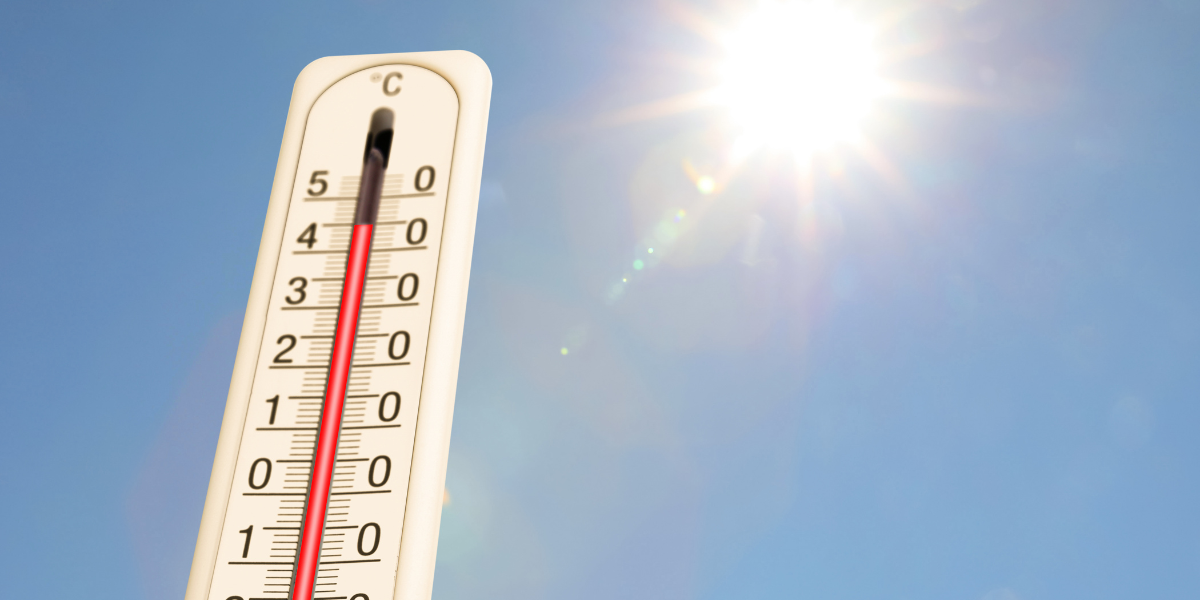
Unprecedented high temperatures continue across the U.S. West, with multiple states reporting values far above typical March averages. In parts of Arizona, for example, temperatures soared toward 112°F, levels more typical of late spring, shattering regional records for this time of year. Scientists and meteorologists have stated that the scale and intensity of the heat would be extremely unlikely without the influence of human-caused climate change. This seasonal anomaly reflects broader warming trends that are increasing the frequency and severity of heat waves nationwide.
Such extreme warmth is not only news for its intensity. Impacts are material: elevated temperatures reduce snowpack, stress water supplies, and accelerate soil and vegetation dryness. Low snowpacks in key basins like the Colorado River system threaten water availability for agriculture, urban use, and hydropower generation in coming months.
Wildfires Spread Outside Typical Burn Season
The heat’s effects were already evident on the ground by March 25, with notable wildfires burning early and fiercely. In western Nebraska, the Morrill Fire has burned over 643,000 acres, making it the largest wildfire in Nebraska’s recorded history. These grassland and rangeland fires have spread across multiple counties, with one confirmed fatality and fire crews working to contain flames burning through dry vegetation.
The emerging wildfire season isn’t exclusive to Nebraska. Across parts of the Plains and mountainous regions, fire officials are confronting atypically strong fire conditions driven by a combination of dry fuels, high winds, low humidity, and record heat. Such conditions historically occur later in the year; seeing them this early hints at a potentially brutal fire year ahead.
Fire management agencies and emergency planners have voiced concerns about personnel shortfalls and preventive resource gaps, complicating efforts to curb these large blazes before they expand.
Baseball’s Opening Day Signals Cultural Continuity
Amid the heat and blazes, sports fans nationwide turned their attention to a long‑standing cultural moment: the opening night of the 2026 Major League Baseball season. The season’s first game, between the New York Yankees and the San Francisco Giants at Oracle Park in San Francisco, took place on March 25 as scheduled. The matchup drew notable attention not only for the baseball itself but also for its broad broadcast reach, with the game carried on streaming platforms including Netflix, representing one of the sector’s largest media integrations to date.
The start of the season is significant for baseball’s enduring role in American culture, marking the transition from spring training to regular competition and uniting fans across the country as teams embark on a 162‑game schedule.
What This Means for Communities and Policy
The concurrence of an early wildfire season and record heat wave carries implications across several domains:
Public health and safety: Extreme heat poses direct risks to vulnerable populations, including heat illness and increased demand on emergency services. Early and intense wildfire activity also degrades air quality, posing respiratory risks, especially for those with preexisting conditions.
Water and resource management: With snowpack levels remaining low, water resource managers face a strained season ahead. Reduced snowmelt inflows can impact agricultural irrigation, municipal supplies, and hydroelectric power generation, particularly in the West.
Emergency preparedness and response: The unusual timing and scale of fire activity reveal stress points in fire management and response infrastructure. Agencies may need to adjust seasonal planning, revise resource allocation, and invest in mitigation efforts such as forest fuel management and early warning systems.
Climate understanding and planning: Scientists point out that events like these reflect broader climate trends. Whether by influencing energy use, shaping insurance risk assessments, or guiding urban planning, the meteorological extremes of March 2026 reinforce the importance of integrating climate projections into policy formulation and community preparedness.
Looking Ahead
As the U.S. continues through spring and into summer, forecasters will be closely monitoring temperature trends, precipitation patterns, and wildfire risk metrics. The interplay between a changing climate and national weather systems does not pause cultural traditions like baseball season, but these events highlight how environmental conditions can frame the context in which such traditions unfold.
As this season develops, further reporting will focus on fire containment progress, water supply outlooks, public health guidance, and how communities adapt to evolving atmospheric conditions.
Key Takeaways:
- Record-high temperatures across the Western U.S. in March 2026 have broken multiple daily heat records and heightened drought concerns
- Early wildfire outbreaks, including historically large blazes, signal a potentially severe fire season
- The 2026 Major League Baseball season opened on March 25, drawing national attention and serving as a cultural milestone amid challenging weather conditions