
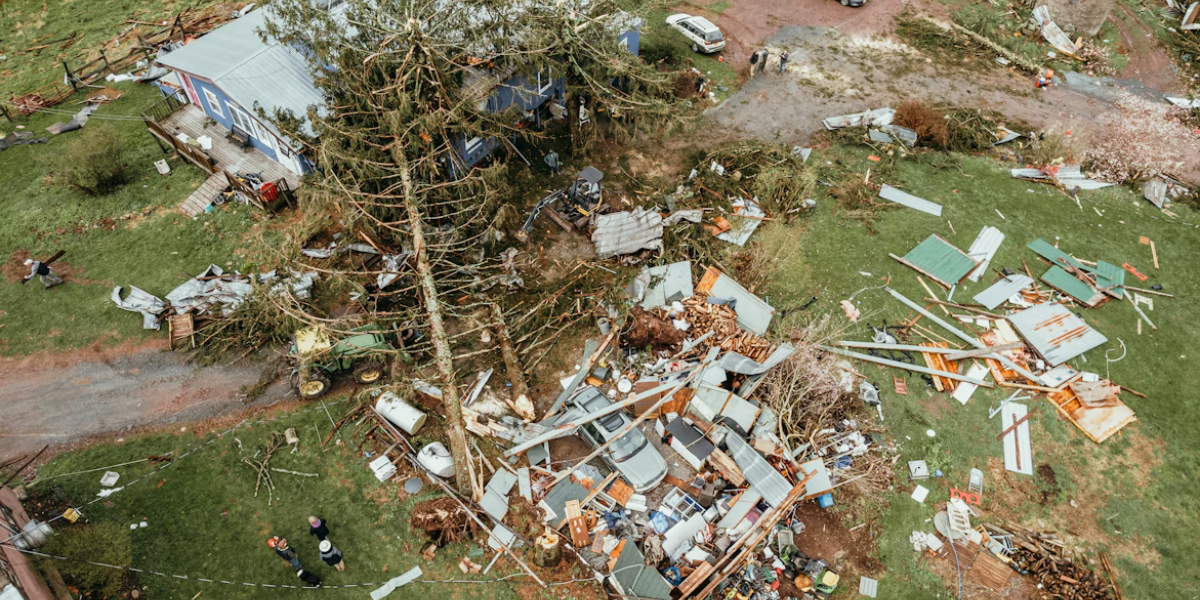
A powerful and destructive weather system that unleashed a series of tornadoes over the past few days in the central United States has resulted in at least eight confirmed fatalities and caused significant property damage, emergency responses, and community disruption across multiple states.
This severe weather event, occurring in early March, a time when tornado activity increasingly becomes more likely but can still catch residents off guard, underscores both the continued volatility of spring storm patterns and the ongoing challenges facing emergency management services in tornado-prone regions.
The Storm System and Its Impacts
From March 5 through March 7, 2026, a dynamic spring storm system produced multiple EF-rated tornadoes, some reaching EF2 and EF3 intensity, that carved destructive paths through rural and suburban communities in the central United States.
In Michigan, tornadoes struck rural areas near Union City and the Branch County region, where authorities confirmed several fatalities and numerous injuries. Homes, streets, and community infrastructure were heavily damaged, with aerial footage showing scenes of widespread destruction and scattered debris.
In Oklahoma, the storm system spawned powerful tornadoes that also led to multiple deaths. Among the victims were a mother and daughter who were killed when their vehicle was struck by a tornado near Fairview, one of the most heartbreaking images of the outbreak.
Across both states, emergency officials issued tornado warnings and activated disaster response capabilities, including state emergency operation centers, aimed at coordinating rescue, relief, and recovery efforts as residents began assessing the damage and seeking shelter and aid.
Human and Community Toll
Authorities have confirmed that at least four fatalities occurred in southern Michigan, with another four deaths reported in parts of Oklahoma, bringing the total to at least eight confirmed deaths as of March 10. One of the victims identified was a 12‑year‑old boy in Michigan, highlighting the personal and community loss experienced during this outbreak.
In addition to the tragic loss of life, dozens of people were injured, and large numbers of homes and other buildings suffered major damage or total destruction. Power outages were reported, with some communities facing disruptions to utilities, transportation routes, and emergency services as storm debris blocked roads and hindered initial response efforts.
Wide‑Ranging Weather Alerts and Emergency Response
The National Weather Service and local emergency management agencies had issued numerous severe thunderstorm and tornado watches and warnings in advance of the outbreak. Such alerts are designed to give residents vital minutes to seek appropriate shelter. However, the ferocity and rapid development of the storms in early March posed challenges for communities across the Plains and Midwest.
State governments in the most affected regions mobilized resources in the wake of the storms. Governors declared states of emergency in several counties to unlock additional federal support and funding for disaster relief and recovery. These declarations help ensure that affected residents can receive assistance with housing, financial relief, and rebuilding efforts as the cleanup begins.
Climatic Context and Broader Implications
While tornado activity is not uncommon in the United States during spring months, the strength and timing of this outbreak serve as a reminder of the country’s vulnerability to severe weather events. Meteorologists note that early spring systems can still carry substantial energy capable of spawning tornadic storms, particularly when warm, moist air from the Gulf of Mexico collides with cooler air masses originating in the northern Plains.
This broader seasonality reflects patterns tracked by climatologists, with March often marking the start of the annual tornado season, which typically peaks in April through June. Climate researchers continue to study shifts in atmospheric behavior and severe weather trends, including how storm frequency, intensity, and geographic distribution may evolve in the coming decades.
Community Recovery and Safety Takeaways
As affected communities begin the long process of recovery, several key takeaways emerge:
- Preparation Saves Lives: Early warnings, when heeded, give residents vital time to seek shelter. Residents in tornado‑prone regions are encouraged to maintain multiple ways of receiving weather alerts, including NOAA weather radios and mobile notifications, especially during peak severe weather months.
- Infrastructure Resilience: The significant damage to homes and infrastructure highlights the ongoing need for resilient building practices and community planning that account for severe weather risks.
- Support Networks Matter: Local and state emergency management teams play a pivotal role in coordinating rescue and relief efforts, but community support networks, including neighbors, volunteers, and nonprofit groups, often provide essential assistance in the immediate aftermath of disasters.
- Mental Health Support: Beyond physical recovery, the emotional and psychological impact on survivors and families who lost loved ones cannot be overlooked. Many communities offer counseling resources and support groups to help individuals cope with the trauma inflicted by such catastrophic events.
This severe storm outbreak, the most devastating weather event in the U.S. to date for March 2026, illustrates both the destructive potential of the nation’s spring weather system and the resilience of communities in confronting such natural hazards. Continued investment in early warning systems, disaster preparedness, and resilient infrastructure will be critical as the U.S. moves deeper into the 2026 tornado season.