
Cruise Ship Employee Rescued After Nine Hours in Ocean Off California
By Dominic Chase |
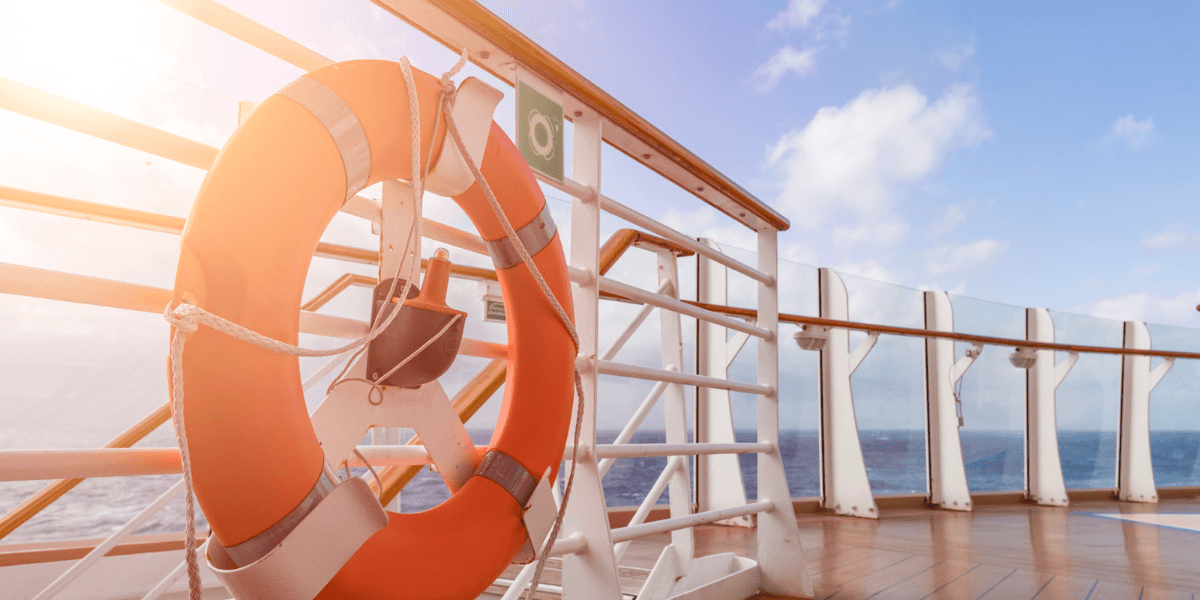
An extraordinary maritime rescue off Southern California highlights the importance of emergency response, crew safety, and coordinated Coast Guard operations.
An ordinary fishing trip near Catalina Island turned into an extraordinary rescue when two fishermen discovered a man struggling in the Pacific Ocean, nearly 20 miles off the Southern California coast. Their discovery would lead to the rescue of a 37 year old cruise ship employee who had reportedly spent approximately nine hours in the water.
The man was a crew member aboard Royal Caribbean's Ovation of the Seas. The incident occurred on Friday, November 6, while the vessel was traveling from San Pedro, California, toward Ensenada, Mexico. His survival became the focus of attention after two fishermen spotted him while returning from a fishing trip.
The fishermen, Sean Norton and Grant Garrett, were fishing for marlin when they noticed what appeared to be a person floating in the water. Recognizing the seriousness of the situation, they immediately stopped their boat and moved toward the individual.
Their quick response proved critical. The men worked together to pull the exhausted crew member aboard. According to reports, he was shaking, struggling to speak clearly, and visibly weakened after spending hours in the open ocean.
Norton later described the man's condition, explaining that he appeared extremely relieved to have been found. The rescued employee reportedly expressed his gratitude and indicated that he had feared he would not survive.
How the Rescue Unfolded
After bringing the man aboard, the fishermen contacted emergency authorities for assistance. The U.S. Coast Guard received notification that an individual had been recovered from the water approximately nine nautical miles northeast of Avalon Harbor on Catalina Island.
Newport Beach Fire and Lifeguard personnel subsequently responded to assist. The rescued employee was transferred to emergency responders and transported to a local hospital for medical attention.
Reports indicated that the man was conscious when recovered and was expected to survive. His condition was particularly remarkable considering the length of time he had spent in the Pacific Ocean.
The U.S. Coast Guard began investigating the circumstances surrounding how the employee entered the water. However, authorities had not established a definitive explanation in the reports available on November 9.
Royal Caribbean confirmed that the individual was a member of its shipboard crew. The company also expressed its commitment to supporting him while respecting his privacy. Further personal details were not publicly disclosed.
Why Ocean Conditions Mattered
One important factor discussed following the rescue was the condition of the Pacific Ocean.
Surviving several hours in open water presents serious challenges. Exposure, exhaustion, dehydration, and the physical effort required to remain afloat can quickly become dangerous. Water temperature also plays an important role in determining how long someone can remain in the ocean without developing potentially serious complications.
The fishermen suggested that relatively warm water conditions may have helped the employee survive. Reports indicated that Norton estimated the water temperature at approximately 76 degrees Fahrenheit.
Nevertheless, warmer water does not eliminate the dangers associated with prolonged exposure. Even relatively mild ocean temperatures can contribute to physical exhaustion and other medical emergencies.
The incident demonstrates how survival in open water depends on several factors, including environmental conditions, an individual's physical condition, and the speed of rescue efforts.
It also highlights the importance of nearby vessels. In this case, the fishermen's presence proved decisive because they noticed the individual and acted before emergency responders arrived.
A Reminder of the Importance of Maritime Safety
The rescue has renewed attention on the risks associated with maritime travel and the importance of safety procedures aboard large passenger vessels.
Cruise ships operate with established safety systems, trained personnel, and emergency response procedures. However, incidents involving individuals entering the water remain serious emergencies. Locating someone in the open ocean can be difficult because of visibility, weather conditions, vessel movements, and the distance between the individual and the ship.
Every minute can matter when someone is struggling to remain afloat.
The incident also demonstrates the important role recreational boaters and commercial fishermen can play in maritime safety. People who regularly spend time on the water can become an essential part of the broader emergency response network when they recognize someone in danger.
The actions of Garrett and Norton demonstrate how awareness and decisive action can make a meaningful difference. Their willingness to interrupt their fishing trip and help a stranger ultimately contributed to saving a life.
For cruise passengers and crew members alike, the incident serves as a reminder to understand onboard safety procedures, recognize emergency signals, and exercise caution around open decks and railings.
The Lasting Significance of an Extraordinary Rescue
As of November 9, the U.S. Coast Guard was continuing its investigation into the incident. Officials had not publicly established all the circumstances surrounding the crew member's entry into the water.
Although several details remained private, the central outcome was clear: a cruise ship employee survived an extended period in the Pacific Ocean after two fishermen recognized an emergency and responded.
The event offers an important lesson about preparedness, awareness, and human responsibility. Maritime safety is not limited to the work of professional rescue teams. It also depends on ordinary people who remain alert and are willing to help when circumstances demand it.
For Garrett and Norton, a routine fishing trip became an experience they are unlikely to forget. For the rescued crew member, their decision to stop and investigate meant the difference between remaining in danger and receiving emergency medical care.
The extraordinary rescue off Catalina Island stands as a powerful example of how quick thinking, cooperation, and compassion can change the outcome of an emergency at sea.

PrimeTime Press Contributor
Dominic Chase
Covers breaking news and sport, following stories as they develop and the people at the centre of them.
This article features partner, contributor, or branded content from a third party. Members of the PrimeTime Press editorial staff were not involved in the creation of this content. All views and opinions are those of the contributor alone.
Previous Post
6 Brands Making Complex Choices Feel Simpler in 2026