
Coachella 2026 Concludes First Weekend with Record Crowds and Standout Performances
By Renee Baptiste |
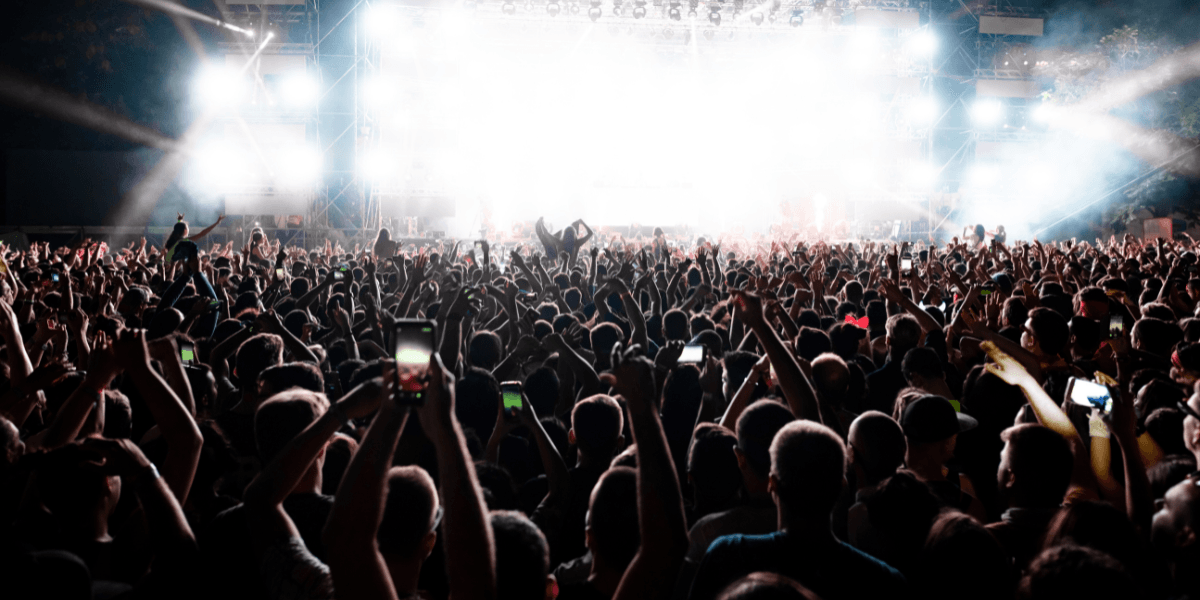
The first weekend of the Coachella Valley Music and Arts Festival concluded on April 19, 2026, drawing massive crowds to the Empire Polo Club in Indio, California. Known globally for its combination of live music, large-scale art installations, and cultural influence, the festival once again reaffirmed its status as one of the most important entertainment events in the United States. This year’s edition stood out for its strong attendance, advanced production design, and continued evolution of the overall festival experience.
Organized by Goldenvoice, Coachella 2026 featured a wide-ranging lineup of performers spanning pop, hip-hop, electronic dance music, indie rock, and experimental genres. Across multiple stages, artists delivered performances designed to appeal to both mainstream audiences and niche music communities. The headlining acts drew the largest crowds, with sets that emphasized immersive visuals, synchronized lighting effects, and large-scale digital displays that transformed the desert venue into a highly dynamic performance space.
Attendance during the first weekend was among the highest recorded in recent years. Tens of thousands of attendees arrived daily, creating a dense but energetic atmosphere across the festival grounds. Organizers implemented improved logistical systems, including expanded entry points, more efficient shuttle transportation, and updated crowd flow planning. These adjustments helped reduce congestion and improved the overall movement of attendees between stages and activity areas.
Beyond the musical performances, Coachella 2026 continued its tradition of integrating visual arts into the festival environment. Large-scale installations and interactive exhibits were placed throughout the venue, allowing attendees to engage with art in both physical and digital forms. Many installations explored themes such as environmental awareness, technology, identity, and global connectivity. These creative elements contributed to Coachella’s identity as not only a music festival but also a broader cultural exhibition.
Technology played a central role in shaping the 2026 festival experience. A redesigned mobile application allowed attendees to personalize schedules, receive real-time updates, and navigate the venue more efficiently. Digital enhancements also extended to payment systems, with cashless transactions widely used across food vendors, merchandise stalls, and service areas. In addition, high-definition livestreaming expanded access to global audiences, enabling viewers around the world to experience performances remotely in near real time.
Sustainability remained a key focus for organizers. Efforts were made to reduce the environmental footprint of the event through expanded recycling programs, reduced single-use plastics, and increased availability of water refill stations. Temporary infrastructure was designed with reusable and eco-friendly materials where possible. These initiatives reflect a broader industry trend toward more environmentally conscious large-scale events, particularly in regions where resource management is a growing concern.
The economic impact of Coachella on the surrounding region was significant. The influx of visitors contributed to increased activity in hotels, restaurants, transportation services, and local businesses in Indio and nearby communities. Many establishments reported full bookings throughout the weekend, with demand extending into neighboring cities as well. The festival continues to be a major driver of seasonal tourism in the region, generating substantial revenue and employment opportunities during its run.
Safety and security measures were another important aspect of the event’s execution. Festival organizers worked closely with local authorities and emergency response teams to ensure a secure environment for attendees. Medical stations were placed throughout the grounds, and hydration points were widely accessible given the desert climate. Crowd monitoring systems and on-site personnel helped maintain order during peak hours. Overall, the event proceeded smoothly, with no major disruptions reported.
Fashion and cultural expression also played a defining role in Coachella 2026. Attendees showcased a wide variety of styles that blended festival aesthetics with personal expression, often influencing broader social media trends. The event has long been associated with fashion visibility, and this year continued that pattern, with images and videos circulating widely across digital platforms during and after the weekend.
As the first weekend concluded, anticipation built for the second weekend of the festival, which is expected to feature the same lineup and similar production scale. Organizers typically use the break between weekends to make minor adjustments based on operational feedback, ensuring a consistent or improved experience for the following audience.
In summary, the April 19, 2026 conclusion of Coachella’s first weekend highlighted the festival’s continued evolution as a global entertainment platform. Through its combination of live performances, technological integration, artistic expression, and large-scale coordination, the event demonstrated why it remains one of the most influential cultural gatherings in the world.

PrimeTime Press Contributor
Renee Baptiste
Covers health, technology, and entertainment, and how each shapes the way audiences live and spend their time.
This article features partner, contributor, or branded content from a third party. Members of the PrimeTime Press editorial staff were not involved in the creation of this content. All views and opinions are those of the contributor alone.